Virginia Governor Spanberger Vetoes Skill Gaming Bill Over Regulatory Shortfalls
Written by Lars Hartmann · Apr 15, 2026

Virginia Governor Spanberger Vetoes Skill Gaming Bill Over Regulatory Shortfalls
The Veto That Hit Pause on Skill Games
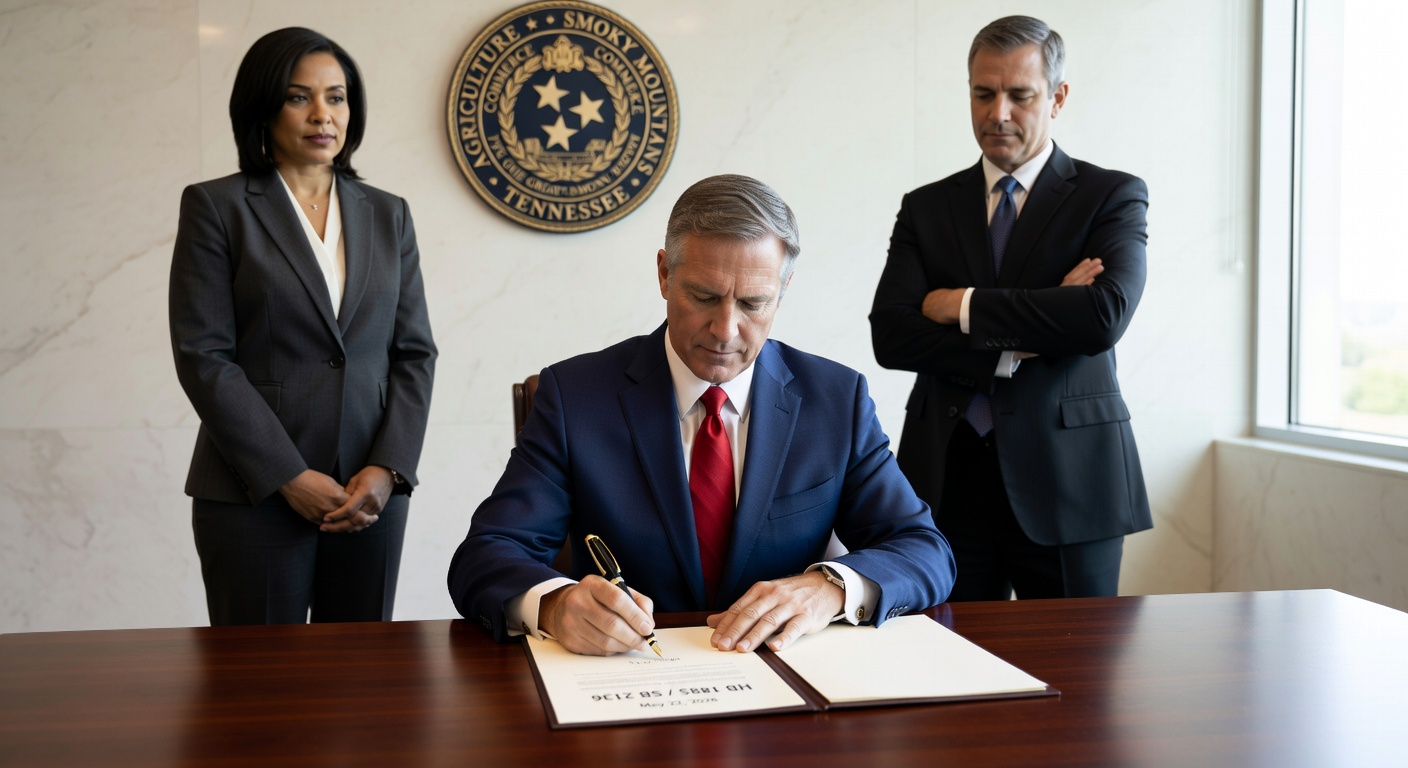
On April 10, 2026, Virginia Governor Abigail Spanberger delivered a decisive veto to a bill that sought to legalize skill gaming machines across the state, citing critical gaps in its framework; specifically, the legislation fell short by lacking a centralized independent regulatory body, which left room for oversight lapses, uneven enforcement, and heightened risks to consumer protection. Skill games, those electronic terminals mimicking slot machines and commonly tucked into convenience stores or gas stations, have lingered in a legal gray area for years, drawing players with their blend of chance and purported skill elements. This veto, detailed in coverage from WDBJ7, underscores ongoing tensions between economic interests and the push for robust safeguards in Virginia's gaming landscape.
What's interesting here is how the governor framed her decision not as an outright rejection of skill games, but as a call for better structure; she expressed openness to collaborating with the General Assembly on future policies that truly prioritize community needs, signaling that the conversation around these machines remains very much alive. Those who've tracked Virginia's gaming evolution know this isn't the first roadblock for skill games, which exploded in popularity during the pandemic era yet faced repeated regulatory hurdles.
Unpacking Skill Games in the Virginia Context
Skill games operate as video terminals where players engage in games of chance laced with skill-based choices, often featuring themes like poker or racing; they're distinct from traditional slots because outcomes hinge partly on player decisions, although critics argue the skill component serves more as a loophole than a genuine differentiator. In Virginia, these devices proliferated unchecked in many locations, generating significant revenue for operators and retailers while sparking debates over addiction risks and underage access. The bill under veto aimed to bring them out of the shadows through statewide legalization, complete with taxation and some operational rules, but without that pivotal centralized overseer.
Turns out, past experiments revealed why such oversight matters; between 2020 and 2021, the Virginia Alcoholic Beverage Control Authority (ABC) temporarily permitted skill games under its watch, a move intended to test the waters amid economic pressures from COVID-19 shutdowns. Data from that period highlighted persistent challenges, including inconsistent compliance across locations and difficulties in monitoring machine integrity or player protections. Operators placed thousands of machines in ABC-licensed venues, raking in millions, yet reports surfaced of enforcement inconsistencies that allowed problematic practices to persist.
Experts who analyzed those two years point to metrics like varying payout rates and location-specific violations, which underscored the limitations of decentralized control; without a dedicated body, local authorities struggled to align on standards, leaving consumers exposed to potential scams or unfair play. This historical backdrop directly informed Governor Spanberger's veto rationale, as the new bill echoed those same fragmented approaches rather than building a unified system.
Why the Regulatory Body Became the Dealbreaker
The veto message laid out clear concerns: absent a centralized independent regulator, the bill risked perpetuating oversight gaps that plagued earlier efforts, leading to spotty enforcement where some areas cracked down while others turned a blind eye. Consumer protection stood front and center, with potential vulnerabilities around machine fairness, addiction safeguards, and revenue tracking; figures from the 2020-2021 pilot showed discrepancies in reported earnings versus actual collections, hinting at underreporting issues that a strong central authority could address through standardized audits and tech monitoring.
But here's the thing about skill games—they're not just another casino product; scattered in everyday spots like truck stops and bodegas, they reach a broader, sometimes more vulnerable audience, which amplifies the need for uniform rules. Researchers who've studied similar devices in other states note how fragmented regulation often correlates with higher complaint volumes, from payout disputes to accessibility by minors; in Virginia's case, the ABC's temporary oversight managed over 10,000 machines at peak, yet struggled with real-time compliance due to limited resources.
- Oversight gaps allowed inconsistent machine standards across jurisdictions;
- Enforcement varied, with some locales issuing fines while others issued none;
- Consumer risks included unverified fairness algorithms and inadequate problem-gaming resources.
One case from the ABC era involved operators challenging seizure orders, dragging out resolutions and eroding public trust; such incidents, though not rampant, illustrated why a dedicated body—perhaps modeled on lottery commissions elsewhere—could streamline investigations and enforce tech specs like random number generator certifications.
Governor's Stance and Path Forward
Spanberger's veto letter, released on that crisp April day in 2026, balanced firmness with collaboration; while rejecting the current bill, she invited lawmakers to refine proposals emphasizing community priorities like responsible gaming and equitable revenue distribution. Lawmakers behind the bill had argued it would generate hundreds of millions in taxes for schools and roads, tapping into an industry already worth billions nationally, but the governor countered that without proper guardrails, those gains came at too high a cost.
Observers note this move aligns with broader trends where states grapple with gray-market gaming; Pennsylvania and Kentucky, for instance, have wrestled with similar machines, often landing on hybrid models with strong regulators. In Virginia, the General Assembly now holds the ball, potentially reconvening in special session or next year to craft a revised framework—perhaps incorporating ABC lessons, like mandatory player ID checks or geofencing tech to curb issues.
Stakeholders reacted swiftly: operators expressed disappointment, citing lost jobs and revenue, while advocacy groups hailed the veto as a win for vulnerable populations; data indicates skill games attract frequent small-stake players, many from lower-income brackets, making protections non-negotiable. And yet, with the governor's door open, compromise seems likely; past vetoes in Virginia gaming policy have led to reworked bills that passed muster.
Broader Implications for Virginia Gaming
This veto ripples beyond skill games into Virginia's maturing casino sector, where five commercial casinos now operate under strict Lottery Department oversight; contrast that centralized model with skill games' proposed patchwork, and the governor's logic sharpens—why risk diluting standards for a device so akin to slots? Studies on gaming expansion show regulated markets yield steadier tax flows; during the ABC pilot, Virginia collected about $50 million in fees, but projections for full legalization hovered at $200 million annually, contingent on airtight controls.
People who've followed this beat know enforcement challenges aren't abstract; one retailer during 2020-2021 faced multiple audits uncovering payout shortfalls, while players reported glitchy machines that locked credits—issues a central body could preempt with certification protocols. Now, as April 2026 unfolds, eyes turn to Richmond, where legislators weigh tweaks like an independent commission with subpoena powers, real-time data dashboards, and addiction hotlines tied to every terminal.
It's noteworthy that skill games' defenders highlight their economic lifeline for small businesses, contributing up to 20% of some convenience stores' income; balancing that with safeguards remains teh crux, and Spanberger's veto positions Virginia to get it right rather than rush flawed legalization.
Conclusion
Governor Spanberger's April 10, 2026, veto of the skill gaming legalization bill marks a pivotal moment, rooted in hard lessons from the 2020-2021 ABC experiment and a commitment to centralized regulation; by flagging oversight gaps, inconsistent enforcement, and consumer risks, the decision steers Virginia toward a more secure gaming future. With collaboration on the table, lawmakers and stakeholders have a clear mandate to prioritize robust protections alongside economic benefits, ensuring skill games—if legalized—operate transparently and fairly. The reality is, this isn't the end of the story, but a necessary recalibration in a state navigating gaming's complex terrain.