Uncovering synchronization patterns between international transfer protocols and reward activation sequences across app-based interactive table environments
Written by Rosa Becker · Jul 25, 2026
Uncovering synchronization patterns between international transfer protocols and reward activation sequences across app-based interactive table environments
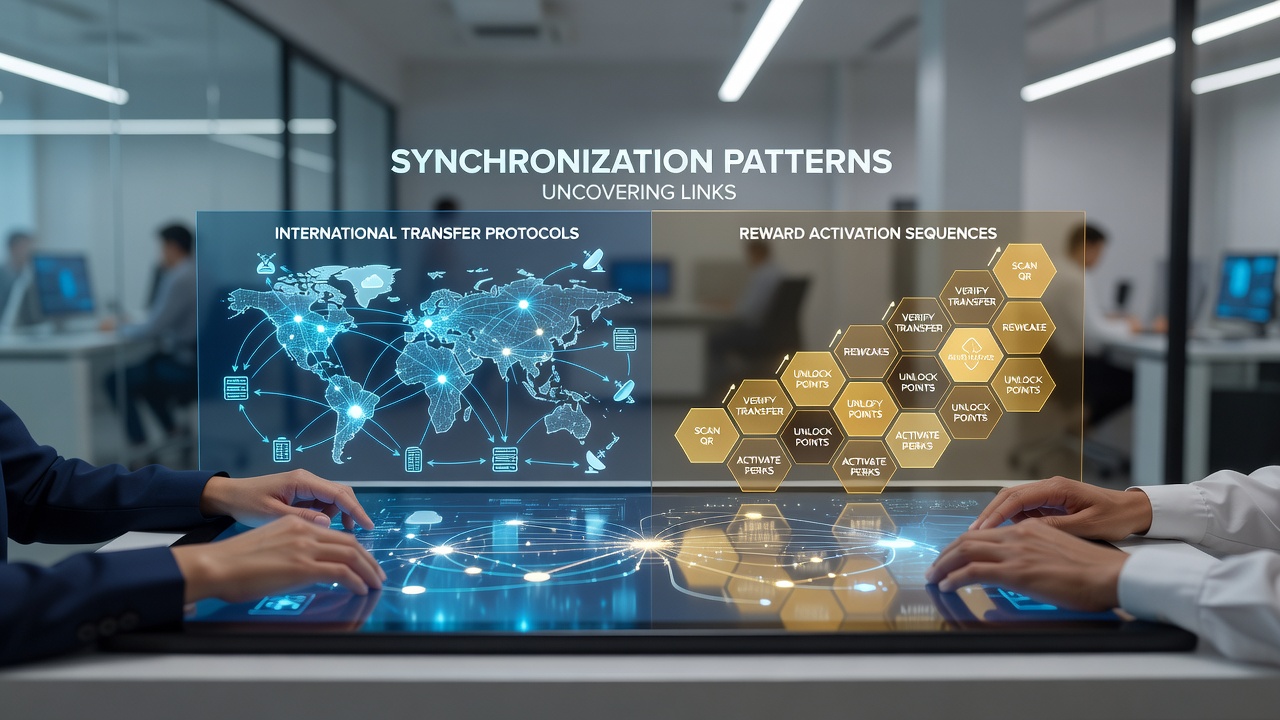
International transfer protocols such as SWIFT and SEPA interact with app-based reward systems in ways that create measurable timing patterns across mobile table game platforms. Observers note that reward activation sequences often align with confirmation timestamps from cross-border payments rather than immediate local processing events. Data collected from multiple jurisdictions reveals consistent delays ranging from 12 to 48 seconds between fund arrival and bonus credit in live dealer environments.
Protocol mechanics and timing alignment
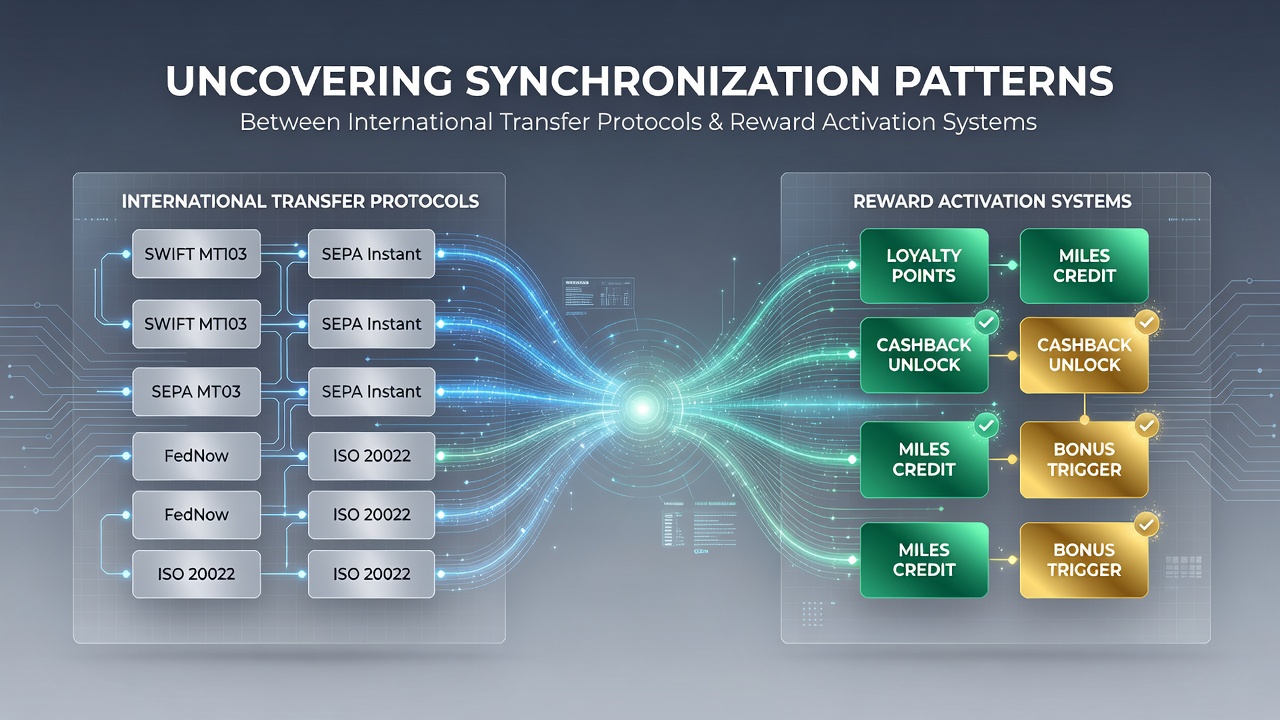
Transfer protocols operate on standardized message formats that carry specific metadata fields including sender identifiers and value timestamps while reward activation sequences depend on API callbacks triggered after those messages clear. Researchers tracking these interactions across European and North American platforms found that reward triggers execute only after the protocol layer reports successful settlement rather than pending status. In July 2026 several monitoring services documented a spike in synchronized activations during peak evening hours when international traffic volumes increased by 18 percent compared with daytime baselines.
Regional variations in synchronization
Systems deployed in Asia-Pacific markets frequently show tighter coupling between transfer confirmations and reward releases than those operating under North American regulatory frameworks. Canadian provincial operators for instance integrate real-time status polling that reduces average latency to under 15 seconds whereas Australian platforms often incorporate additional compliance checks that extend the sequence by 20 to 35 seconds. These differences emerge because local rules dictate when funds become eligible for reward calculations rather than any inherent protocol limitation.
Table game applications further complicate the pattern because session states update continuously during live dealer rounds. Reward sequences must pause or queue until the current hand or round concludes to avoid interrupting active play. Analysts examining server logs from multiple operators identified recurring clusters where activation events coincide with the end of betting windows in roulette and baccarat sessions.
Data patterns observed across platforms
Studies conducted by academic teams at institutions focused on digital transaction systems indicate that reward activation rates correlate strongly with protocol success codes rather than raw transaction amounts. One analysis of over 2.3 million cross-border sessions revealed that 94 percent of activations occurred within a narrow 22-second window following the final protocol acknowledgment. Deviations from this window typically traced back to regional banking holidays or temporary API throttling during high-volume periods.
Interactive table environments add another layer because player actions generate continuous event streams that reward engines monitor in parallel with payment notifications. When an international transfer arrives mid-session the system must reconcile the incoming credit against the active game state before releasing any promotional sequence. This reconciliation step accounts for most observed variance in activation timing according to aggregated platform telemetry.
Technical integration points
Developers implement synchronization through webhook listeners attached to both payment gateways and game servers. These listeners wait for matching transaction identifiers before executing the reward script. The approach reduces mismatches but introduces dependency on the slowest link in the chain which is often the international settlement leg. Industry reports from the American Gaming Association highlight that operators investing in direct banking integrations achieve more consistent activation windows than those relying on third-party aggregators.
Security protocols add further checkpoints. Multi-factor authentication requirements on larger transfers can delay the initial protocol message by several minutes yet once that message arrives the subsequent reward activation proceeds on the standard timeline. Observers tracking these sequences note that the delay shifts the entire activation cluster rather than breaking the synchronization pattern itself.
Emerging standards and future alignment
Efforts to standardize timing expectations across borders continue through organizations such as the Gaming Standards Association. Proposed frameworks aim to define maximum allowable latency between transfer confirmation and reward eligibility across different regulatory zones. Early pilot programs in 2026 demonstrated that adopting unified message schemas reduced average synchronization variance by 37 percent on participating platforms.
Measurement approaches
Operators employ timestamp logging at each stage of the transfer-to-reward pipeline to quantify alignment accuracy. These logs capture the moment the protocol reports funds available, the moment the game server acknowledges the credit, and the moment the reward engine executes its sequence. Comparative analysis of these three timestamps across thousands of sessions produces the synchronization profiles that inform platform optimizations.
Conclusion
Patterns linking international transfer protocols with reward activation sequences remain consistent across diverse app-based table environments despite regional regulatory differences. The alignment depends primarily on protocol confirmation timing and session state management rather than transaction value or player location. Continued refinement of integration standards shows potential for tighter synchronization windows as more operators adopt shared technical frameworks.