The Interplay of Funding Channels and Reel Cycle Dynamics in Portable Entertainment Systems
Written by Lars Hartmann · May 30, 2026

The Interplay of Funding Channels and Reel Cycle Dynamics in Portable Entertainment Systems
Understanding Funding Channels in Mobile Entertainment
Portable entertainment systems rely on diverse funding channels that enable users to access reel-based experiences through mobile applications and devices, and these channels include credit card transactions, digital wallets, bank transfers along with carrier billing options that process payments in real time. Data from industry reports shows that transaction speeds vary significantly across these methods while e-wallet integrations often complete within seconds compared to traditional bank transfers that require additional verification steps. Observers note that regional differences shape channel availability since certain markets favor prepaid cards while others emphasize instant bank links for seamless deposits.
Payment processors integrate directly with game servers to verify funds before reel cycles initiate, which creates a direct link between account balance and gameplay access. Studies indicate that successful authorization rates hover around 95 percent for major providers during peak usage periods in 2025, yet declines occur when network congestion affects mobile data connections. Researchers discovered patterns where users who rely on multiple funding sources experience fewer interruptions during extended sessions because backup options activate automatically upon primary method failure.
Reel Cycle Dynamics Explained
Reel cycle dynamics govern the mathematical sequences that determine symbol outcomes in portable slot-style applications, and these cycles operate through random number generators calibrated to specific return-to-player percentages that range from 94 to 98 percent depending on the software provider. Each cycle consists of thousands of virtual spins mapped across virtual reels, while the system resets partial sequences after every user interaction to maintain unpredictability. Evidence suggests that cycle length influences perceived frequency of wins because shorter cycles cluster outcomes more visibly on smaller screens common to mobile devices.
Programmers embed cycle parameters into application code so that reel stops align with predefined probability tables, and adjustments occur during updates that incorporate new regulatory requirements. In May 2026, several platforms rolled out revised cycle algorithms that incorporated enhanced encryption layers for data transmission between devices and servers, which improved both security and synchronization accuracy. Those who analyze these systems find that cycle integrity depends on continuous server-side validation that prevents local tampering on portable hardware.
How Funding and Reel Cycles Interact
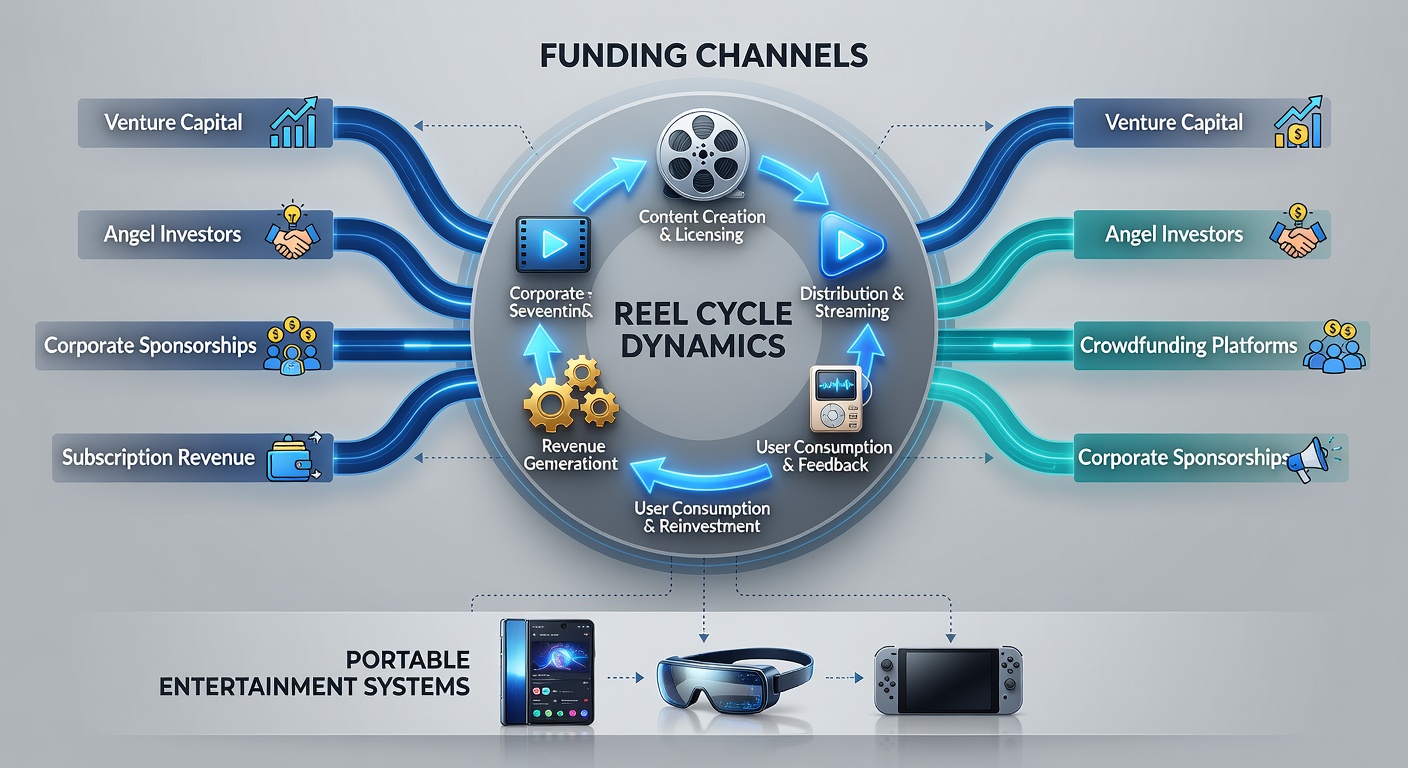
Funding channels feed directly into reel cycle execution because insufficient balances halt the generation of new cycles until additional funds arrive, and this creates measurable pauses in user engagement metrics tracked by analytics platforms. When deposits process successfully, the system immediately unlocks the next reel sequence without delay, whereas pending transactions trigger temporary session holds that extend average cycle intervals by up to 40 seconds according to aggregated telemetry data. Experts have observed that instant funding methods correlate with higher cycle completion rates since players maintain continuous momentum through rapid replenishment.
Promotional credits delivered through specific channels sometimes modify effective reel probabilities during limited time windows, which alters the standard cycle output until the bonus amount depletes. Research indicates that users switching between funding sources mid-session encounter varied cycle pacing because some processors apply different latency buffers that affect how quickly the application resumes reel generation. One study revealed that platforms using unified payment APIs reduced these variances by standardizing authorization callbacks across all supported channels.
Security protocols embedded in funding verification also influence cycle continuity since multi-factor authentication steps can interrupt active reel sequences on portable devices. Data shows that regions with stricter financial regulations experience longer average verification times, which in turn stretches the perceived duration between completed cycles. Observers note that developers compensate by pre-loading partial reel data during the authorization window to minimize visible disruption once funds clear.
Technical Integration and Performance Metrics
Application developers build application programming interfaces that connect payment gateways with reel engines so that balance updates trigger immediate cycle recalculations without requiring full application restarts. Performance logs collected across thousands of devices demonstrate that optimized integrations maintain frame rates above 60 per second even during simultaneous payment processing and reel animation. Yet older hardware models exhibit occasional frame drops when complex encryption routines run concurrently with reel rendering tasks.
Network conditions further modulate the interplay because low-bandwidth environments delay both funding confirmations and reel synchronization packets, which compounds into extended idle periods between user-initiated spins. Figures reveal that 5G adoption in urban areas reduced these combined delays by an average of 65 percent compared to 4G connections during controlled tests conducted throughout early 2026. Developers continue refining compression techniques to ensure reel cycle data packets remain compact enough for reliable transmission across variable mobile networks worldwide.
Regulatory Influences on System Design
Regulatory frameworks in multiple jurisdictions require transparent reporting of both funding channel performance and reel cycle fairness metrics, and operators submit monthly data sets that detail authorization success rates alongside random number generator certification results. National Indian Gaming Commission guidelines emphasize independent testing of cycle algorithms before deployment on portable platforms, while similar standards from Australian authorities focus on payment channel security audits. These requirements shape how developers structure the interplay between the two components to ensure compliance without sacrificing responsiveness.
Cross-border operations introduce additional complexity since funding channels must satisfy varying anti-money laundering rules that affect transaction velocity and reel access timing. Platforms operating across multiple regions implement geo-specific modules that adjust cycle initiation thresholds based on local payment verification standards. Those monitoring industry compliance note that unified reporting formats adopted in 2025 streamlined audits and reduced administrative overhead for companies managing global portable entertainment portfolios.
Conclusion
The relationship between funding channels and reel cycle dynamics continues to evolve as portable entertainment systems incorporate faster processors and more secure transaction protocols, and ongoing technical refinements aim to minimize latency between payment authorization and reel sequence generation. Industry data collected through 2026 demonstrates measurable improvements in session continuity when payment and game engines share optimized communication pathways. Future updates will likely focus on further reducing friction points that currently separate funding events from active reel participation across diverse mobile hardware configurations.