Tennessee Enforces Immediate Halt on Sweepstakes Casino Platforms Through Targeted Legislation
Written by Lars Hartmann · May 27, 2026

Tennessee Enforces Immediate Halt on Sweepstakes Casino Platforms Through Targeted Legislation
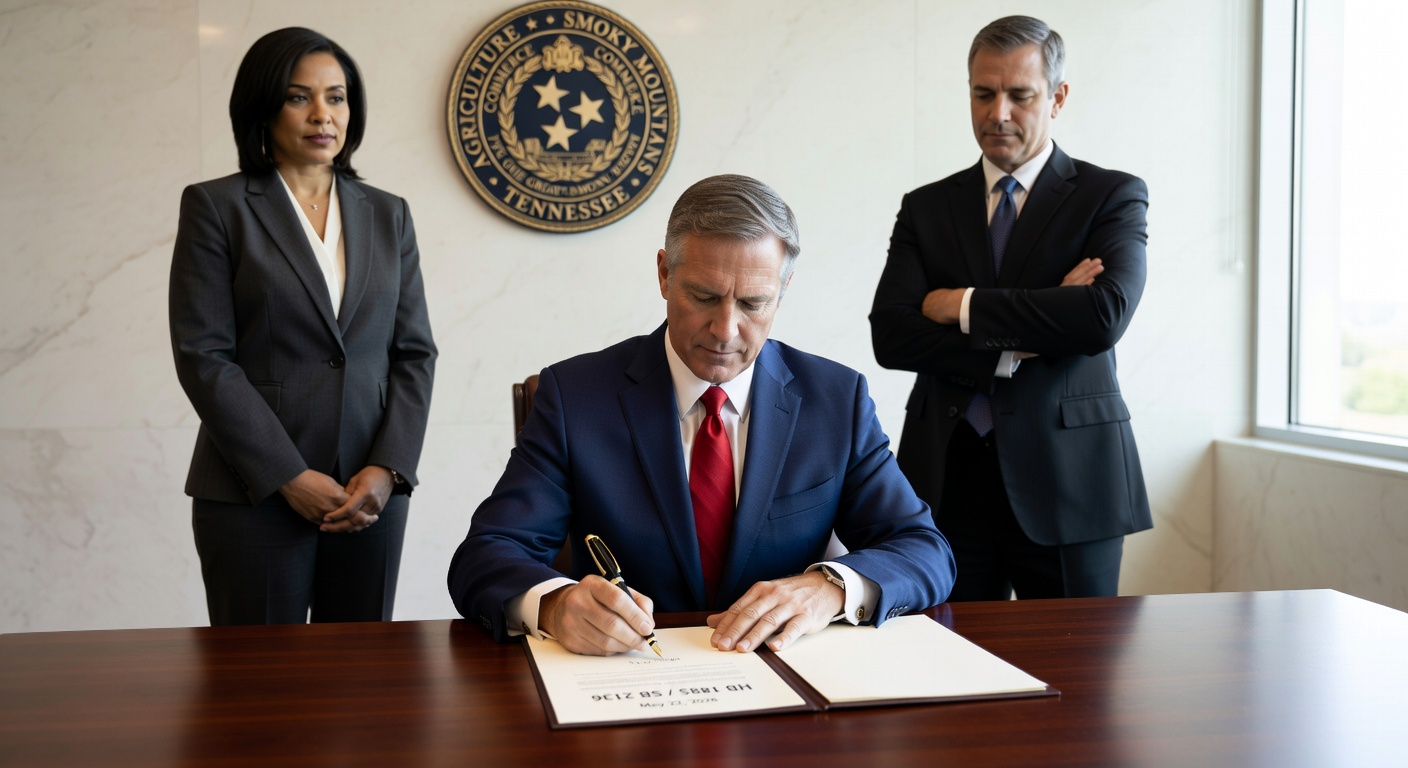
Tennessee Governor Bill Lee signed HB 1885 / SB 2136 into law on May 22, 2026, which establishes an immediate statewide prohibition on sweepstakes casinos operating through dual-currency models; this measure classifies such platforms as illegal gambling and requires operators to cease activities within the state without delay.
Legislators designed the bill to address online platforms that combine free and paid currency systems to offer casino-style games, and the law took effect upon signing rather than following a delayed implementation schedule; state officials have directed enforcement resources toward compliance monitoring from the outset.
Details of the Legislative Framework
House Bill 1885 and its companion Senate Bill 2136 amend existing gambling statutes to explicitly cover sweepstakes casino operations that rely on virtual currencies for gameplay progression and prize redemption; the provisions define these models as forms of unlawful wagering that fall outside regulated gaming frameworks.
State regulators received authority to issue cease-and-desist orders and pursue civil penalties against noncompliant entities, while the statute also outlines consumer protections that prevent Tennessee residents from accessing restricted services through geoblocking requirements.
Operator Responses and Service Adjustments
Multiple sweepstakes casino operators have initiated exits from the Tennessee market or implemented service restrictions that block accounts associated with state residents following the legislation's passage; companies have cited the need to align business practices with the new legal boundaries.
Industry observers note that some platforms have sent notifications to users detailing account suspensions or feature limitations, while others have begun redirecting traffic away from Tennessee IP addresses to avoid potential enforcement actions.
Reports indicate that larger operators with diversified portfolios have shifted focus to states where dual-currency models remain permissible, whereas smaller entities have paused all Tennessee-related operations to minimize regulatory exposure.
Classification as Illegal Gambling and Enforcement Measures
The legislation treats sweepstakes casinos as illegal gambling because the dual-currency structure allows players to purchase additional credits that influence outcomes in games of chance, creating a direct parallel to traditional betting activities prohibited under state law; this determination aligns with prior interpretations by Tennessee courts and gaming authorities.
Enforcement teams have begun collaborating with internet service providers and payment processors to identify and disrupt unauthorized access points, and officials expect these coordinated efforts to accelerate compliance across digital platforms.
Broader Context for Online Gaming in the State
Tennessee maintains a regulated sports betting market that operates separately from the sweepstakes casino ban, which means legal sports wagering platforms continue without interruption while the new statute targets only the specific dual-currency model; this distinction preserves existing frameworks for other forms of gaming.
Residents who previously engaged with sweepstakes platforms now face limited options within state borders, and analysts have documented shifts in user behavior toward alternative entertainment channels that do not involve restricted currency systems.
Conclusion
The signing of HB 1885 / SB 2136 on May 22, 2026, marks a decisive step in Tennessee's approach to online sweepstakes operations, prompting immediate operational changes among affected companies and establishing clearer boundaries for digital gaming activities statewide. Operators continue to adapt their service areas accordingly, while regulatory bodies focus on consistent application of the updated statutes.