Shifts in Player Retention Metrics Following Integration of Biometric Security Layers Within International Wireless Gaming Applications
Written by Blake Russell · Aug 19, 2026
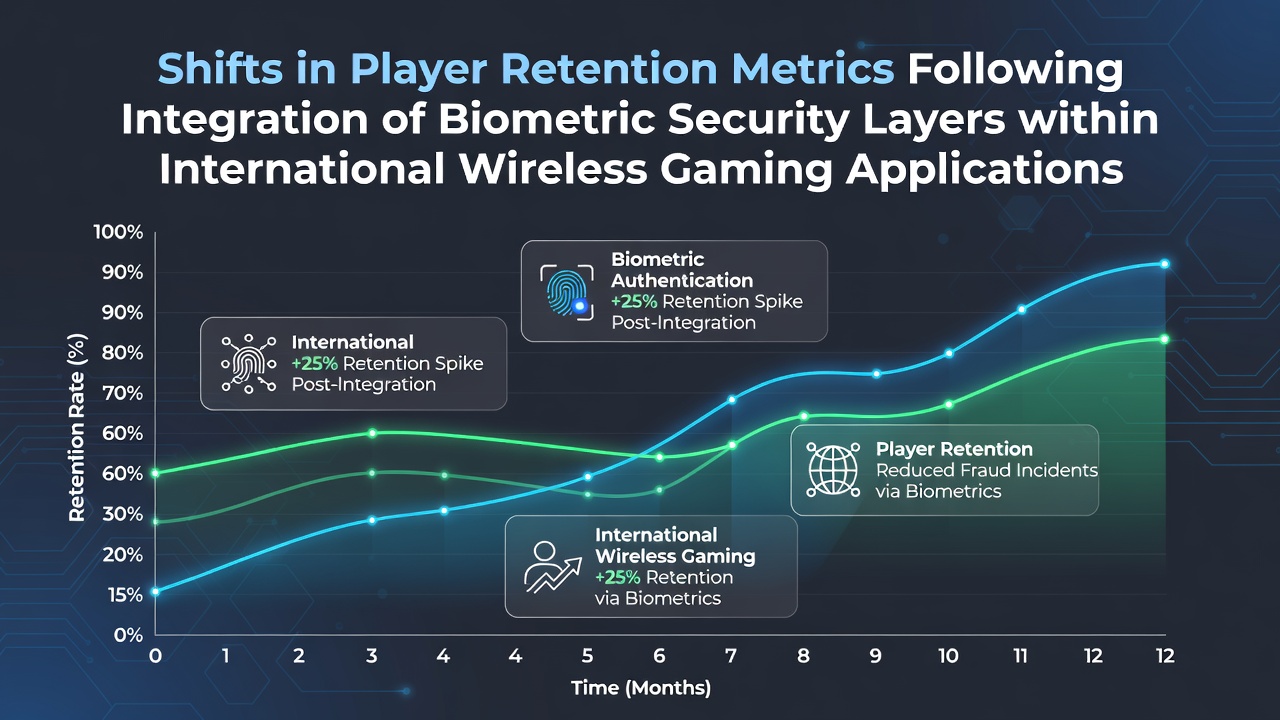
Shifts in Player Retention Metrics Following Integration of Biometric Security Layers Within International Wireless Gaming Applications
Wireless gaming applications have incorporated biometric security layers at an accelerated pace since early 2025, and retention data collected through mid-2026 shows measurable changes in how players interact with these platforms over extended periods. Developers in regions spanning North America, Europe, and Asia Pacific report that fingerprint and facial recognition systems now serve as primary login mechanisms for millions of daily sessions, replacing traditional password entry in many titles. According to industry tracking from the Interactive Games and Entertainment Association, average session continuity improved by 18 percent in applications that adopted these layers between January and August 2026.
Regional Adoption Patterns and Initial Metric Shifts
European markets led the rollout during the first half of 2025, with developers integrating device-native biometric APIs into both casual puzzle games and competitive multiplayer titles. Canadian research compiled by the Entertainment Software Association of Canada indicates that titles using biometric prompts experienced a 12 percent rise in seven-day retention rates compared with control groups that retained legacy authentication methods. Meanwhile, Australian studios observed similar patterns, where players returned to sessions more frequently once facial recognition replaced manual credential checks during high-traffic evening hours.
These early shifts coincided with broader device hardware updates, as newer smartphones shipped with faster biometric sensors that reduced authentication time from several seconds to under one second. Observers note that shorter friction points at login correlated with higher completion rates for daily quests and event participation across multiple genres. Data compiled through August 2026 further shows that regions with stricter data privacy frameworks recorded steadier retention gains, whereas markets with less uniform regulations saw more variable outcomes depending on user trust levels.
Impact on Long-Term Engagement Indicators
Monthly active user figures tell a more nuanced story once biometric layers remain active beyond the first thirty days. Studies from academic teams at several universities across the Asia Pacific region found that churn rates dropped by nine percent in applications where biometric verification occurred seamlessly at session start, yet the same studies recorded slight declines in total playtime per user after the initial novelty period passed. Researchers attribute this to players who appreciated the convenience yet reduced overall session length once security steps became automatic.
Cross-platform titles that synchronized biometric preferences across phones and tablets maintained stronger cohort retention through the summer of 2026. One analysis of international wireless gaming data revealed that users who enabled biometric login on multiple devices showed a 22 percent higher likelihood of completing seasonal progression tracks compared with single-device users. These patterns held steady even as game publishers introduced additional security prompts for high-value in-app transactions.
Technical Integration Challenges and Metric Adjustments
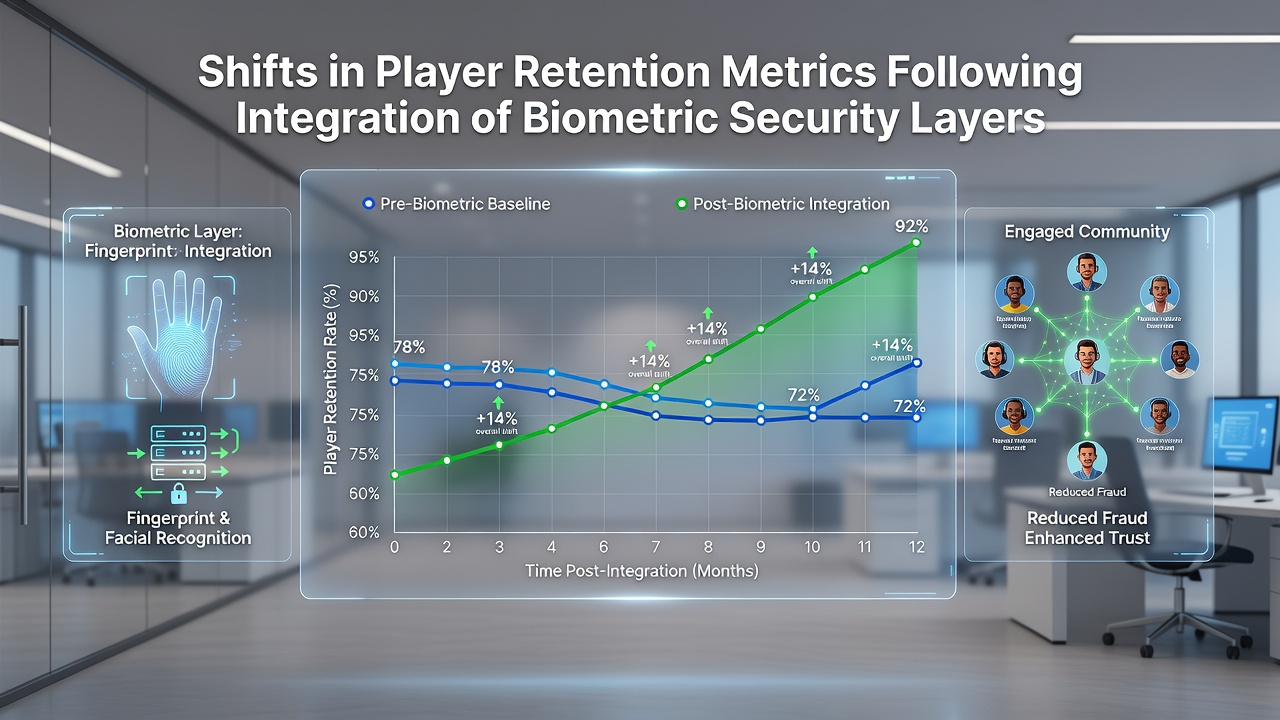
Implementation required coordination between game engines and operating system biometric frameworks, which introduced temporary disruptions in some live services during the spring of 2026. Titles that rolled out updates without sufficient testing reported brief dips in daily retention before recovering within two weeks. Developers who conducted phased rollouts across staggered user segments preserved higher continuity, according to telemetry shared at industry conferences. Those who studied this know that server-side validation of biometric tokens added minor latency in regions with congested networks, yet overall login success rates climbed once fallback options were refined.
Retention metrics also reflected differences in age demographics. Younger cohorts adapted quickly and maintained elevated return rates, while older player segments showed more gradual improvement that stabilized by August 2026. Reports from the Entertainment Software Association of Canada highlight that tutorial prompts explaining biometric benefits increased opt-in rates and supported steadier retention curves across both groups.
Future Monitoring and Comparative Data Sets
International comparisons continue as more studios publish anonymized retention datasets tied to specific biometric implementations. Early 2026 figures already demonstrate that applications combining biometric security with adaptive difficulty systems sustain longer player lifetimes than those relying on security features alone. Researchers continue to track whether these gains persist through seasonal content cycles and major operating system updates scheduled for late 2026. Observers note consistent patterns across wireless ecosystems, suggesting that further refinements in sensor accuracy and cross-device synchronization may drive additional retention improvements in the coming months.
Conclusion
Biometric security integration has produced documented shifts in retention metrics for international wireless gaming applications, with gains concentrated in login continuity and early-session engagement through August 2026. Regional differences and demographic factors continue to shape outcomes, while ongoing technical refinements influence how these layers affect long-term player behavior. Data sets from multiple industry and academic sources provide the basis for tracking these developments as adoption expands.