Regulatory Shifts Reshaping Animation Timelines Across Border-Spanning Portable Wagering Networks
Written by Henrik Bauer · Jul 1, 2026
Regulatory Shifts Reshaping Animation Timelines Across Border-Spanning Portable Wagering Networks
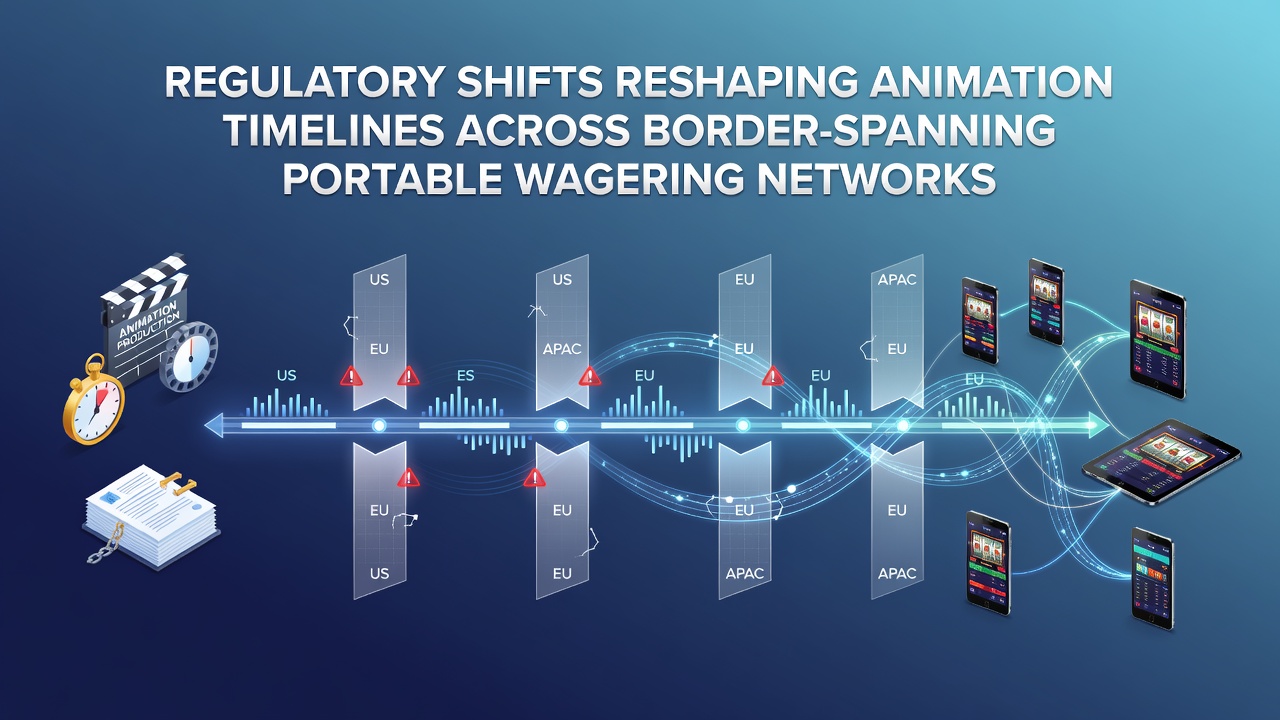
Regulatory changes across multiple jurisdictions have started to alter the way animation sequences operate within mobile wagering platforms that function across national boundaries, and developers now adjust frame pacing along with transition durations to meet compliance benchmarks that differ from one region to another. Data from industry monitoring groups shows that synchronization requirements tied to fairness testing have prompted revisions in how animated reels and interactive elements load during live sessions.
Key Regulatory Developments in 2026
Authorities in several countries introduced updated guidelines during the first half of 2026 that directly address timing parameters for visual elements in digital gaming products, while jurisdictions in North America and the Asia-Pacific region aligned certain technical standards on animation speed to reduce discrepancies in cross-border play. Observers note that these adjustments took effect ahead of a broader implementation window slated for July 2026 when additional reporting obligations begin for platform operators.
Figures released by the Canadian Gaming Association indicate that revised certification protocols now require animation cycles in portable applications to complete within specified millisecond ranges, and similar measures have appeared in Australian regulatory updates that emphasize consistent reel behavior across wireless networks. Those standards aim to ensure that visual feedback matches the underlying random number generation processes without introducing variable delays.
Impact on Animation Design and Deployment
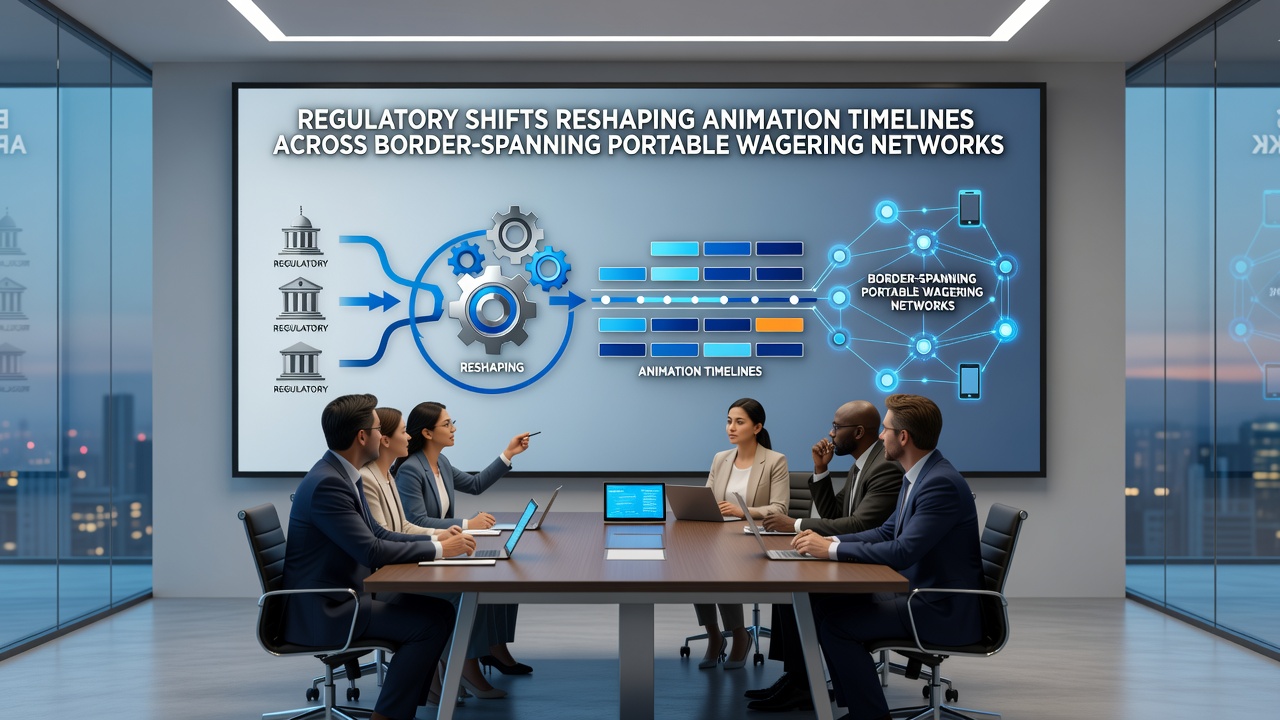
Teams responsible for creating game assets have responded by recalibrating timeline editors so that transition effects between game states remain uniform even when content streams from servers located in different regulatory zones, and this approach has led to modular animation libraries that activate specific segments based on the user's detected location. Research conducted by the International Association of Gaming Regulators found that such modular systems reduced compliance violations by measurable percentages during pilot testing phases earlier this year.
Border-spanning networks face additional layers of complexity because animation assets must satisfy both local display rules and overarching network latency standards, yet developers have incorporated conditional triggers that adjust playback rates automatically when connections route through compliant pathways. Studies from the Gaming Standards Association highlight how these conditional systems maintain visual integrity while adapting to varying bandwidth conditions common in international mobile environments.
Technical Adjustments Across Platforms
Engineers have integrated new scripting layers into mobile applications that monitor regulatory flags in real time and then modify animation durations accordingly, while preserving core gameplay mechanics that remain unchanged across markets. Evidence collected by university research teams at institutions focused on digital media studies shows that these scripting adjustments produce consistent user experiences without requiring separate application builds for each jurisdiction.
Portable wagering ecosystems now incorporate server-side validation checks that verify animation timing against jurisdiction-specific databases before content reaches end-user devices, and this validation step occurs within milliseconds to avoid noticeable interruptions. Reports compiled by the European Gaming and Betting Association detail how such checks integrate with existing security protocols to maintain both compliance and performance levels.
Cross-Border Coordination Challenges
Operators managing networks that span multiple countries encounter coordination hurdles when animation timelines must align with staggered regulatory deadlines, although collaborative working groups have begun sharing technical templates that streamline updates across different platforms. Data compiled through these groups reveals that shared template usage has accelerated deployment schedules for revised animation assets during the current calendar year.
Testing protocols have expanded to include simulated cross-border scenarios where animation sequences undergo evaluation under combined rule sets, and results from these tests feed directly into certification processes required by participating regulatory bodies. Those who manage quality assurance pipelines note that the expanded protocols capture edge cases involving variable network conditions that affect animation rendering on portable devices.
Future Outlook for July 2026 and Beyond
Preparations for the July 2026 compliance milestone continue as additional jurisdictions finalize their alignment with emerging international technical benchmarks, and platform providers have scheduled phased rollouts that introduce updated animation timelines in stages. Industry tracking data indicates that these phased approaches allow operators to monitor performance metrics before full activation across all supported regions.
Conclusion
Regulatory shifts continue to drive modifications in how animation timelines function within border-spanning portable wagering networks, and the resulting technical adaptations reflect ongoing efforts to maintain consistency across diverse compliance environments. Data from multiple monitoring sources shows measurable progress in aligning visual elements with fairness and performance standards that apply internationally.