Patterns of Fund Movement Influencing Participation Rates in Real-Time Table Games on Wireless Platforms
Written by Henrik Bauer · Jun 17, 2026
Patterns of Fund Movement Influencing Participation Rates in Real-Time Table Games on Wireless Platforms
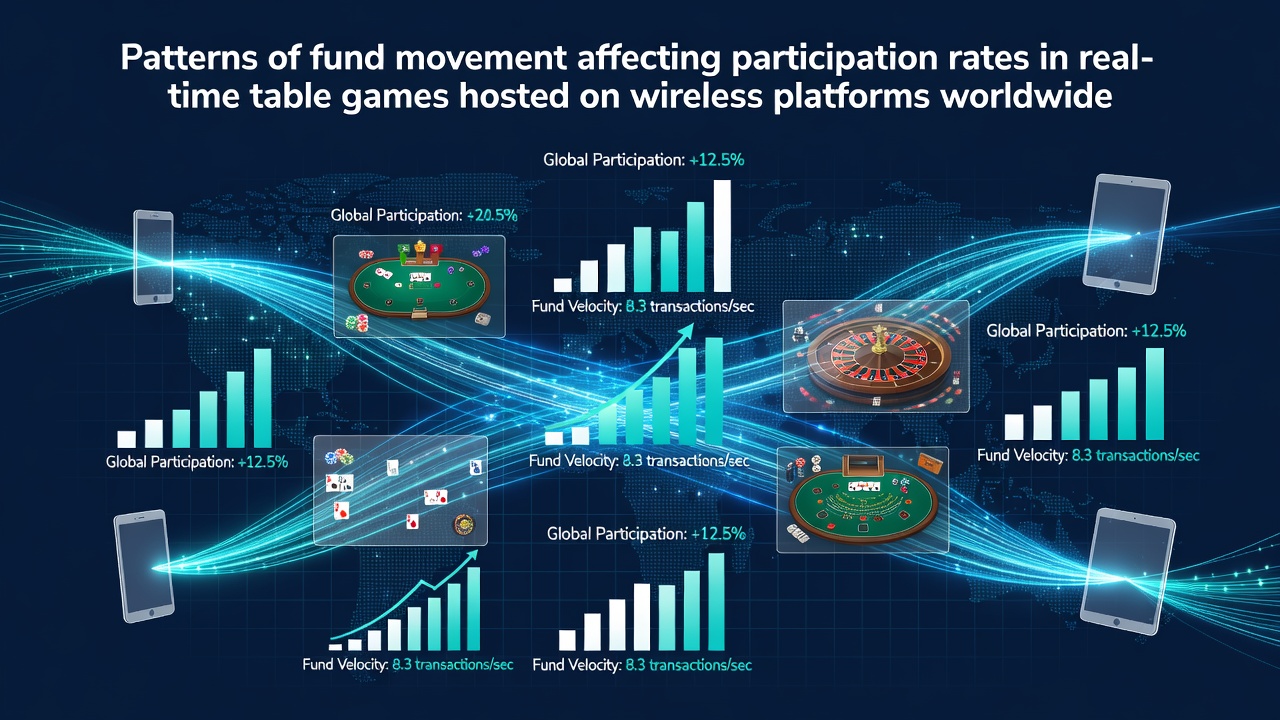
Fund movements through deposits, withdrawals, and in-game transfers create measurable shifts in how participants engage with live dealer table games on mobile networks, and researchers tracking these flows across continents have documented consistent correlations between liquidity patterns and session durations. Data from multiple jurisdictions shows that rapid deposit cycles often coincide with higher table occupancy rates during peak hours, while delayed withdrawal processing tends to reduce repeat logins within the same week.
Tracing Liquidity Patterns Across Regions
Payment rails vary significantly by market, yet observers tracking wireless platform activity note that instant funding options in Asia-Pacific territories align with sustained participation in games like baccarat and roulette, whereas regions relying on batch-processed transfers report more fragmented engagement windows. Studies compiled through 2025 into early 2026 indicate that participants who move smaller amounts more frequently maintain longer cumulative playtime compared with those executing larger, infrequent transfers, a pattern holding steady across both high-bandwidth urban centers and emerging mobile markets.
June 2026 figures released by regulatory bodies in North America and Southeast Asia reveal a 14 percent uptick in cross-border fund routing through digital wallets specifically tied to live table sessions, suggesting operators have adjusted settlement speeds to match user behavior observed on 5G networks. Those monitoring transaction timestamps find that peak funding occurs between 19:00 and 23:00 local time in most zones, directly preceding spikes in blackjack and poker table joins.
Platform Architecture and Real-Time Settlement Effects
Wireless ecosystems integrate application programming interfaces that allow near-instant reconciliation between player accounts and game servers, and this technical layer directly shapes how quickly participants can re-enter tables after cashing out winnings. Engineers and analysts examining backend logs report that platforms offering sub-three-second deposit confirmations sustain higher average concurrent users during live sessions than those averaging fifteen seconds or more.
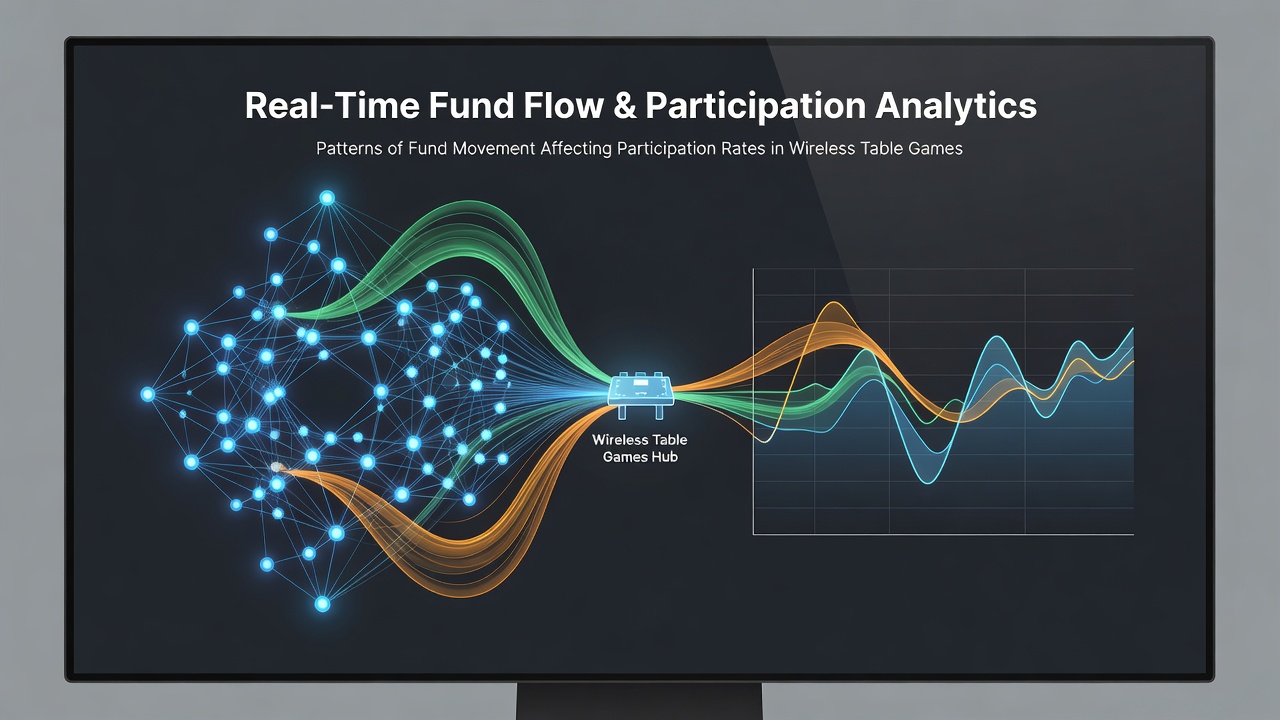
One longitudinal review covering twelve operators across four continents found that introducing progressive withdrawal queues reduced same-day re-engagement by nearly one-fifth, prompting several platforms to pilot instant payout tiers limited to verified accounts. Participants using these tiers returned to tables at rates 23 percent above baseline within forty-eight hours, according to aggregated telemetry shared at industry forums.
Regulatory Frameworks Shaping Movement Velocity
Different licensing regimes impose distinct rules on fund velocity, and data aggregated by the New Jersey Division of Gaming Enforcement shows that daily deposit caps correlate with steadier but lower-intensity participation curves in American markets. In contrast, frameworks in the Philippines permit higher daily thresholds, which align with broader distribution of session lengths reported by local operators. New Jersey Division of Gaming Enforcement reports further detail that players navigating regulated instant banking channels exhibit fewer abandoned sessions than those routed through traditional card networks.
Additional metrics released by the Singaporean Gambling Regulatory Authority highlight similar dynamics, where streamlined electronic fund transfers coincide with elevated retention across real-time dealer offerings. Observers note that when settlement windows shrink below five minutes, table game participation extends by an average of eighteen minutes per session in tracked cohorts.
Behavioral Correlations and Session Metrics
Telemetry collected from wireless applications demonstrates that players who maintain consistent funding schedules participate in more hands per hour than those whose balances fluctuate unpredictably, and this consistency appears across demographics regardless of game variant. Analysts examining multi-week datasets observe that mid-session top-ups, particularly those under fifty currency units, prevent abrupt exits more effectively than larger pre-planned deposits.
Patterns also surface around withdrawal timing: participants who schedule withdrawals outside active gaming windows maintain higher weekly login frequencies, whereas immediate post-win cashouts sometimes precede multi-day absences. These observations come from aggregated anonymized records rather than individual case studies, allowing researchers to map broader trends without compromising privacy standards.
Conclusion
Fund movement patterns continue to serve as reliable predictors of engagement levels in wireless-hosted real-time table environments, and ongoing data collection through mid-2026 underscores the interplay between settlement speed, regulatory limits, and user retention across global platforms. Operators monitoring these flows adjust infrastructure accordingly, while regulators refine guidelines based on observed participation curves. As wireless networks expand and payment technologies evolve, the relationship between liquidity timing and table occupancy remains a central metric for industry analysis.