Macau's Economy and Finance Secretary Tai Kin Ip Resigns, Spotlight Shifts to $30 Billion Gaming Powerhouse
Written by Lars Hartmann · Apr 18, 2026

Macau's Economy and Finance Secretary Tai Kin Ip Resigns, Spotlight Shifts to $30 Billion Gaming Powerhouse
The Sudden Departure Shakes Up Leadership
Tai Kin Ip stepped down as Macau's Secretary for Economy and Finance on April 16, 2026, citing personal reasons that prompted a swift transition in one of the region's most critical roles; his resignation gained approval from China's State Council following a proposal by Chief Executive Sam Hou Fai, marking a pivotal moment for the special administrative region's economic steering committee. Authorities moved quickly to nominate a replacement, submitting the candidate for Beijing's review while Sam Hou Fai assumed interim duties to ensure continuity amid the bustling operations of Macau's core industries. This shift comes at a time when the city's economy hinges heavily on its gaming sector, which Tai Kin Ip had overseen since taking office in late 2024.
Observers note how such high-level changes in Macau unfold under a structured process tied directly to central government oversight, where local proposals require State Council endorsement; that's exactly what happened here, underscoring the interconnected governance model between Macau and mainland China. The timing in mid-April 2026 aligns with ongoing fiscal planning cycles, although details on immediate policy disruptions remain under wraps as the nomination process advances.
Tai Kin Ip's Watch Over the Gaming Empire
During his tenure starting late 2024, Tai Kin Ip managed the oversight of Macau's $30 billion gambling industry, a behemoth that generates the lion's share of government revenue through taxes and licenses; major operators under this purview include Sands China, Wynn Macau, MGM China, SJM Holdings, Melco Resorts, and Galaxy Entertainment, each contributing significantly to the monthly gross gaming revenue figures that fluctuate with tourist inflows from across Asia. Data from recent quarters shows this sector rebounding post-pandemic constraints, with operators reporting steady upticks in visitor numbers and table game volumes, all while navigating regulatory tweaks on chip laundering and VIP room operations that Ip's office helped enforce.
Take Sands China for instance, which operates multiple integrated resorts on the Cotai Strip; or Galaxy Entertainment, known for its sprawling properties drawing high-rollers from the mainland, both entities falling squarely under the economic portfolio Ip handled with a focus on diversification efforts like non-gaming investments in hotels and entertainment. Wynn Macau and MGM China, with their luxury offerings, similarly benefited from policy stability during his roughly 18 months in the post, a period marked by license renewals extending concessions to 2032 for the six main players.
- Sands China: Flagship properties like The Venetian Macau anchor mass-market play.
- Wynn Macau: Emphasizes premium experiences with high-stakes tables.
- MGM China: Blends MGM branding with local partnerships for broad appeal.
- SJM Holdings: The original concessionaire rooted in Macau's gaming heritage.
- Melco Resorts: Innovates with City of Dreams complexes across regions.
- Galaxy Entertainment: Leads in scale with multiple mega-resorts.
These operators collectively drive an industry where gross gaming revenue hit record paces in early 2026, surpassing pre-COVID peaks according to figures tracked by local regulators; Ip's department coordinated with the Gaming Inspection and Coordination Bureau to balance growth against compliance, ensuring smooth operations amid global economic ripples.
The Resignation's Procedural Path
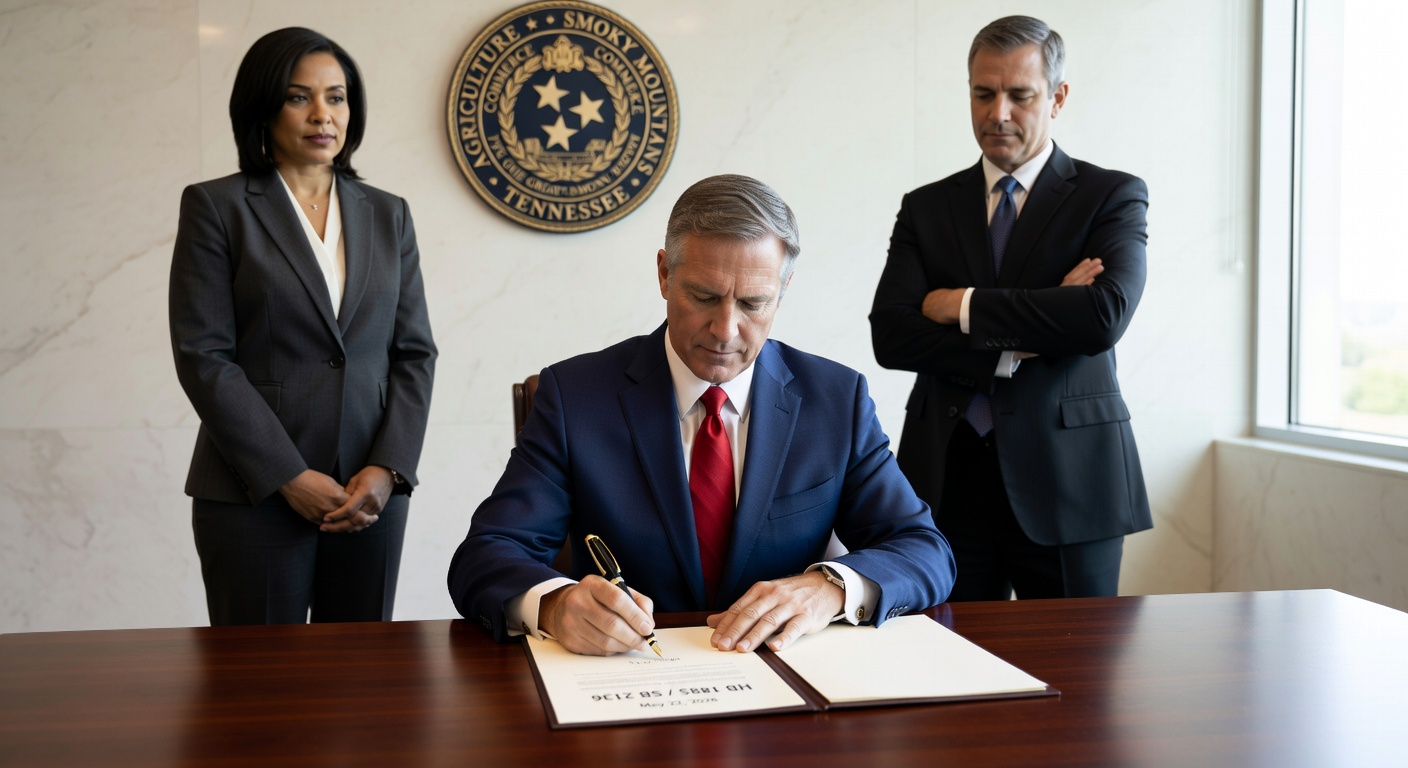
China's State Council greenlit Tai Kin Ip's exit based on Sam Hou Fai's proposal, a step that reflects the layered approval mechanism for senior Macau officials since the 1999 handover; personal reasons formed the stated basis, with no further elaboration released publicly, leaving room for speculation among industry watchers though official channels stick to the facts. Now, with the ball effectively in Beijing's court, authorities prepare to forward a successor's name, a process that typically spans weeks depending on vetting thoroughness and political alignments.
Sam Hou Fai, elected Chief Executive in 2022 for a five-year term, steps in temporarily to helm economy and finance matters, juggling this with his broader duties; his interim role ensures that budget preparations and gaming license monitoring proceed without hitch, especially as Q2 2026 fiscal reports loom. Experts who've tracked Macau's administrative shifts point out how such interim arrangements maintain stability, drawing from precedents like past secretary transitions that saw minimal market volatility.
Macau's Gaming Sector in the Spotlight
The $30 billion gambling industry stands as Macau's economic cornerstone, contributing over 80% of fiscal income through concession taxes and levies; since liberalization in 2002, when SJM lost its monopoly and five others entered, the market exploded from a regional curiosity to the world's largest by revenue, outpacing Las Vegas Strip totals by wide margins. Tai Kin Ip's departure spotlights this dependency, as his office influenced policies on tourist quotas, anti-money laundering protocols, and diversification pushes toward conventions and healthcare under the "1+4" economic model.
Recent data reveals monthly gross gaming revenue climbing toward 20 billion patacas in March 2026, fueled by relaxed travel from the mainland; operators like Melco Resorts reported strong EBITDA margins, while Galaxy Entertainment expanded non-gaming amenities to comply with Beijing's diversification mandates. Studies from the UNLV International Gaming Institute, which analyzes global casino trends, highlight how Macau's model blends high-volume slots with elite baccarat play, sustaining yields even through economic headwinds.
But here's the thing: while gaming thrives, the finance secretary's role extends to broader economy tasks like trade negotiations and infrastructure funding; Ip navigated currency fluctuations against the Hong Kong dollar peg and inbound investments from international firms, all while coordinating with the Monetary Authority of Macao on financial stability. One case that observers recall involves 2025's successful bond issuances for resort upgrades, underscoring the position's fiscal clout.
Looking Ahead to the Nomination and Interim Phase
As nominations circulate for Beijing's nod, potential candidates emerge from civil service ranks or private sector gaming experts, with Sam Hou Fai's preferences likely shaping the shortlist; the State Council's history shows approvals often align with continuity, favoring those versed in Beijing-Macau synergies. During this interim, Hou Fai oversees key meetings with operators, ensuring license compliance and revenue projections hold steady into May 2026.
What's interesting about these transitions is their rarity at this level; previous secretaries served longer tenures, but personal factors occasionally prompt change, as seen in analogous moves across SAR administrations. Industry reports from sources like GGRAsia, a specialist in Asian gaming intelligence, track how such leadership shifts correlate with stock movements for listed operators, though markets reacted mutedly to the April 16 announcement.
People who've studied Macau's governance note the resilience built into the system, where dual reporting to local and central authorities prevents single-point failures; that's where the rubber meets the road for a sector employing tens of thousands directly and supporting supply chains regionally.
Conclusion
Tai Kin Ip's resignation as Secretary for Economy and Finance, approved on April 16, 2026, by China's State Council at Sam Hou Fai's behest, ushers in an interim period for Macau's $30 billion gaming juggernaut overseen by the chief executive himself; with a replacement nomination underway, the focus remains on seamless handover amid thriving casino revenues from giants like Sands China and Wynn Macau. This event reinforces the structured interplay between local leadership and Beijing oversight, keeping the industry's momentum intact as fiscal year-end approaches. Turns out, in Macau's high-stakes world, stability trumps surprise every time.