Governor Bill Lee Signs Legislation Prohibiting Sweepstakes Casinos in Tennessee
Written by Rosa Becker · May 23, 2026
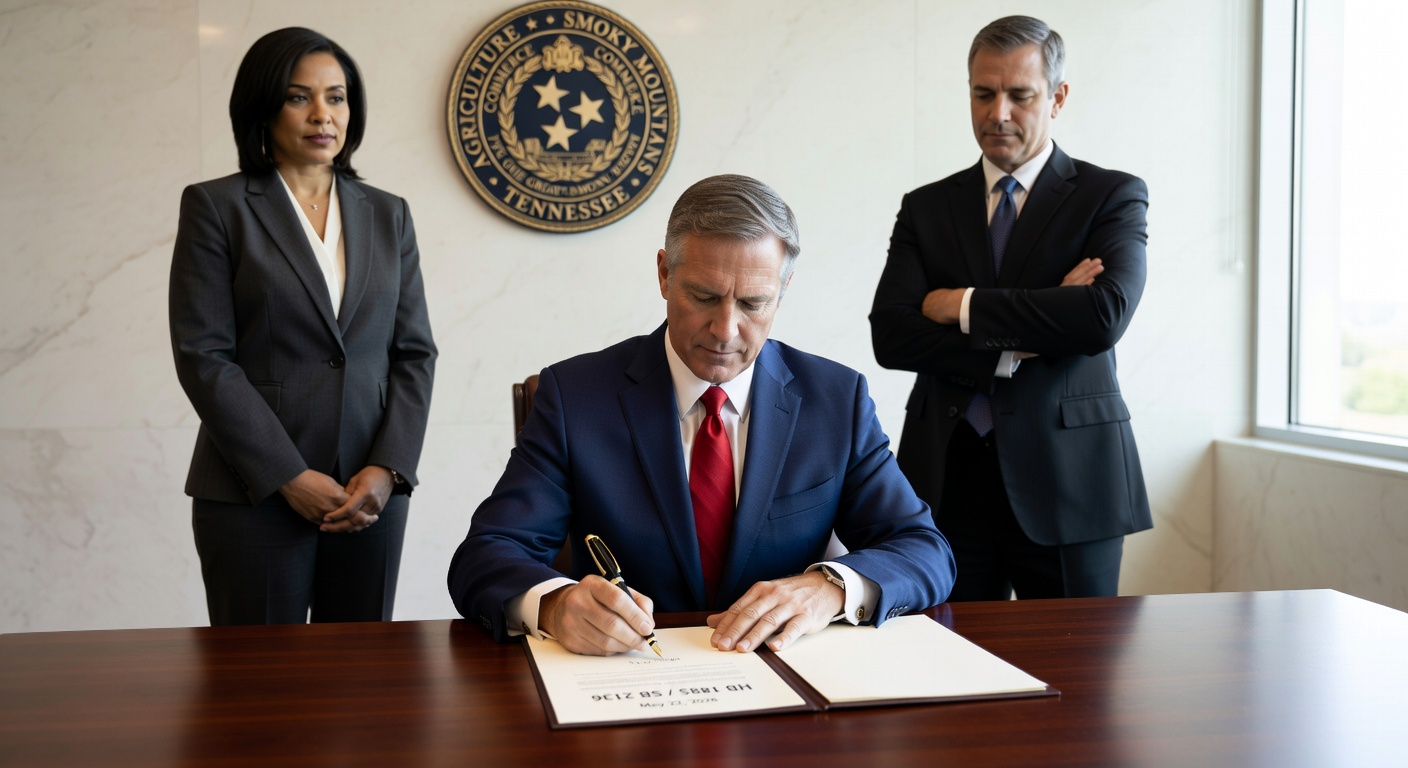
Governor Bill Lee Signs Legislation Prohibiting Sweepstakes Casinos in Tennessee
Tennessee Governor Bill Lee signed legislation that bans sweepstakes casinos and this measure will take effect as state law while it prohibits operations relying on sweepstakes-style promotions to deliver casino-like games and the action comes after extended regulatory review of these venues according to industry reports from SBC Americas.
Details of the New Legislation
The bill targets businesses that use sweepstakes mechanics to offer games resembling slots or table games and under the new rules these promotions will no longer be permitted within Tennessee borders and state officials have indicated enforcement will begin once the law activates with operators required to cease such activities or face penalties and this approach aligns with similar actions in other jurisdictions where regulators have moved to clarify definitions around skill-based or promotional gaming formats.
Background on Sweepstakes Casinos
Sweepstakes casinos have operated in various states by structuring games around entry mechanisms that avoid direct wagering yet deliver outcomes similar to traditional casino play and in Tennessee these venues drew attention from regulators who examined whether the model complied with existing gaming statutes and data from state monitoring showed growth in such locations over recent years which prompted legislative review and the resulting bill addresses those concerns by establishing clear prohibitions while the measure specifies that any platform using sweepstakes entries to simulate casino experiences falls under the ban.
Regulatory Scrutiny Leading to Action
Observers note that regulatory bodies conducted multiple assessments of sweepstakes operations before lawmakers advanced the legislation and these reviews highlighted inconsistencies between the promotional model and state restrictions on unauthorized gaming and the process included input from enforcement agencies that documented how certain venues structured their offerings and the findings contributed to the decision to pursue a statewide prohibition and in May 2026 additional compliance checks are scheduled to verify that affected businesses have adjusted their operations accordingly.
State representatives worked through committee hearings where evidence from regulators outlined the scope of sweepstakes activities and the discussions focused on protecting consumers while maintaining boundaries around legal forms of gaming and the bill passed both chambers before reaching the governor's desk for signature and this sequence reflects standard legislative handling of gaming policy updates across multiple states.
Implementation Timeline and Enforcement
Once signed the legislation establishes a framework for enforcement that includes fines for non-compliance and potential closure orders for venues continuing prohibited activities and officials from the Tennessee Department of Revenue along with local authorities will coordinate on monitoring and the timeline calls for full adherence by the activation date which gives operators a defined period to transition or exit the market and industry analysts tracking similar bans elsewhere report that most affected sites shift focus to compliant offerings or relocate when such measures pass.
Businesses impacted by the change include those advertising sweepstakes-based access to casino-style games and many have already begun reviewing their legal options while the state has communicated expectations through official channels and this development follows patterns seen in other regions where promotional gaming models faced restrictions after scrutiny intensified and the outcome reinforces Tennessee's position on unauthorized casino-style activities.
Impact on Operators and Consumers
Operators previously running sweepstakes promotions must now evaluate alternative business models that stay within legal limits and some may explore licensed gaming avenues if available while consumers who participated in these venues will see the options reduced once the prohibition takes hold and state records indicate that dozens of locations operated under this model prior to the new law and the transition period allows time for adjustments yet the core restriction remains firm and clear according to legislative summaries.
Research from gaming policy groups shows that states implementing comparable bans often experience shifts in player behavior toward regulated markets or online alternatives where permitted and Tennessee's approach mirrors efforts to standardize oversight and the measure avoids broad impacts on other entertainment sectors while targeting the specific sweepstakes mechanism and officials have emphasized that traditional charitable gaming or skill-based contests remain unaffected provided they meet separate statutory requirements.
Comparison with Other State Approaches
Other states have addressed sweepstakes casinos through court rulings or new statutes and Tennessee joins this group by enacting explicit prohibition via the governor's signature and the strategy emphasizes prevention of unregulated expansion while allowing time for compliance and sources such as the National Council of Legislators from Gaming States have documented how different jurisdictions balance consumer protection with economic considerations in these decisions and the Tennessee bill incorporates elements drawn from those prior examples.
Enforcement priorities will likely focus first on larger operations followed by smaller sites and state agencies plan to issue guidance documents to assist with interpretation and this structured rollout aims to minimize confusion during the changeover period and data collected post-implementation will inform future adjustments if needed and the overall framework supports consistent application of gaming rules across the state.
Conclusion
The signing by Governor Bill Lee marks a definitive step in Tennessee's regulation of sweepstakes casinos and the legislation will prohibit this form of gaming once it becomes law and ongoing scrutiny has shaped the policy while the implementation details provide operators and the public with a clear path forward and authorities continue preparations for the May 2026 enforcement phase to ensure adherence across all affected venues.