Examining Intersections of Transaction Security Protocols with Real-Time Interactive Sessions Across Portable Gaming Ecosystems
Written by Henrik Bauer · May 20, 2026
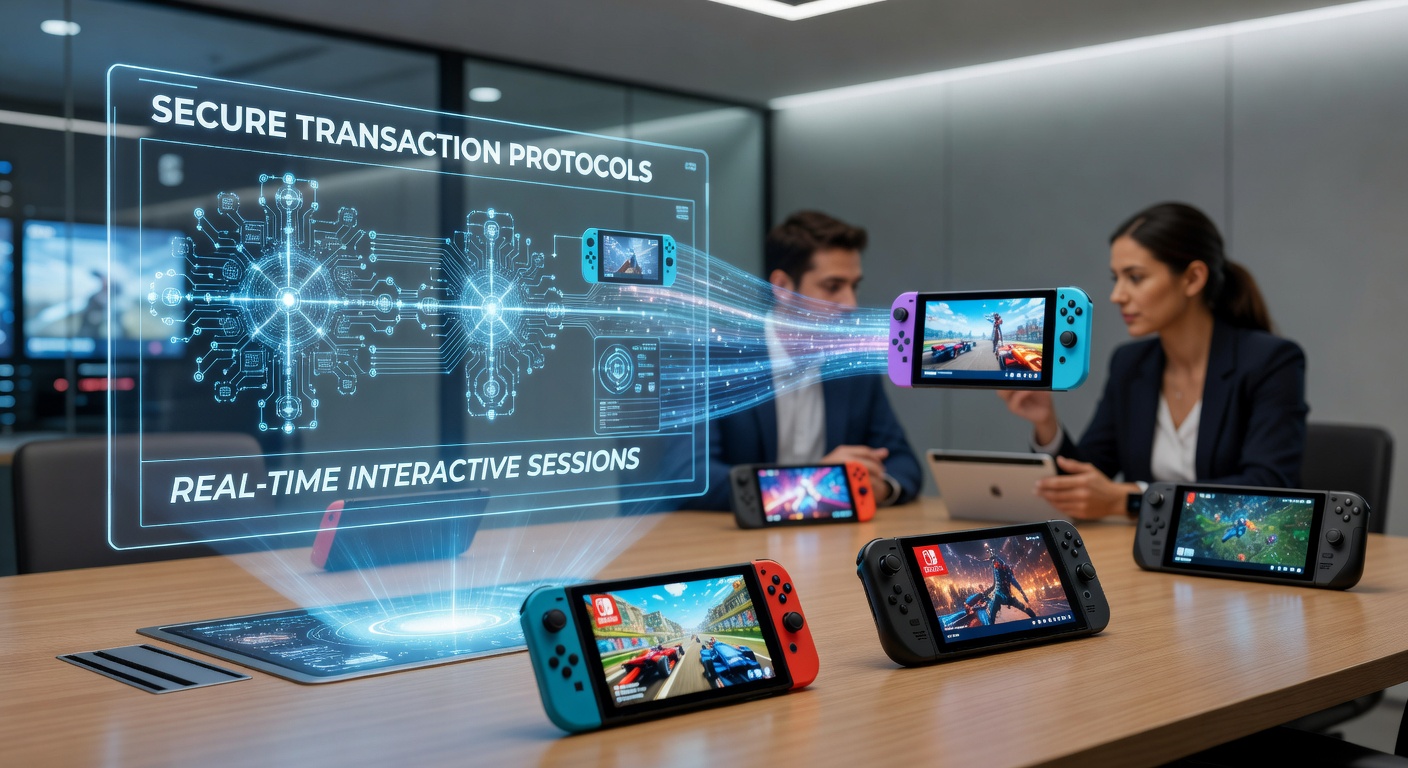
Examining Intersections of Transaction Security Protocols with Real-Time Interactive Sessions Across Portable Gaming Ecosystems
Portable gaming ecosystems continue to expand rapidly as developers integrate secure transaction protocols directly into real-time interactive environments, and this convergence creates both opportunities and technical demands that shape how players engage with games on smartphones and tablets. Researchers have documented steady growth in mobile platforms where payment processing happens seamlessly amid live multiplayer sessions, and data from industry analyses reveal that encryption standards now operate alongside low-latency communication frameworks to prevent disruptions during gameplay. Experts note that protocols such as TLS 1.3 and tokenization systems often run in parallel with WebRTC connections, allowing financial exchanges to occur without pausing the action on screen.
Core Components of Transaction Security in Mobile Settings
Transaction security relies on layered authentication methods that verify user identities before any funds move between accounts, while portable devices introduce variables like network variability and hardware differences that demand adaptive solutions. Observers have pointed out how biometric checks combine with device-bound tokens to create barriers against unauthorized access, and studies from academic institutions show these measures reduce fraud incidents by measurable margins across global markets. In May 2026, several platforms reported enhanced adoption of multi-factor approaches that tie directly into session management tools, ensuring continuity even when players switch between Wi-Fi and cellular networks mid-game.
Encryption plays a central role as data packets travel between user devices and central servers, and developers implement end-to-end protections that shield sensitive details during the brief windows when real-time decisions unfold. Those who've examined code architectures explain that symmetric keys rotate frequently within active sessions to limit exposure windows, and this practice aligns with guidelines issued by regulatory bodies such as the Australian Communications and Media Authority. The result appears in smoother experiences where players complete purchases or transfers without visible interruptions to their interactive flow.
Challenges at the Intersection of Real-Time Interactions and Security
Real-time sessions demand minimal processing overhead, yet security protocols add computational steps that can introduce delays if not optimized properly, and engineers address this by embedding lightweight cryptographic operations into the game loop itself. Data indicates that portable ecosystems face unique pressures from fluctuating signal strengths, which sometimes force fallback mechanisms to maintain both security and responsiveness. One study revealed that integrating hardware security modules on newer chipsets helps balance these needs, allowing transactions to verify almost instantly while live elements like chat or shared actions proceed uninterrupted.
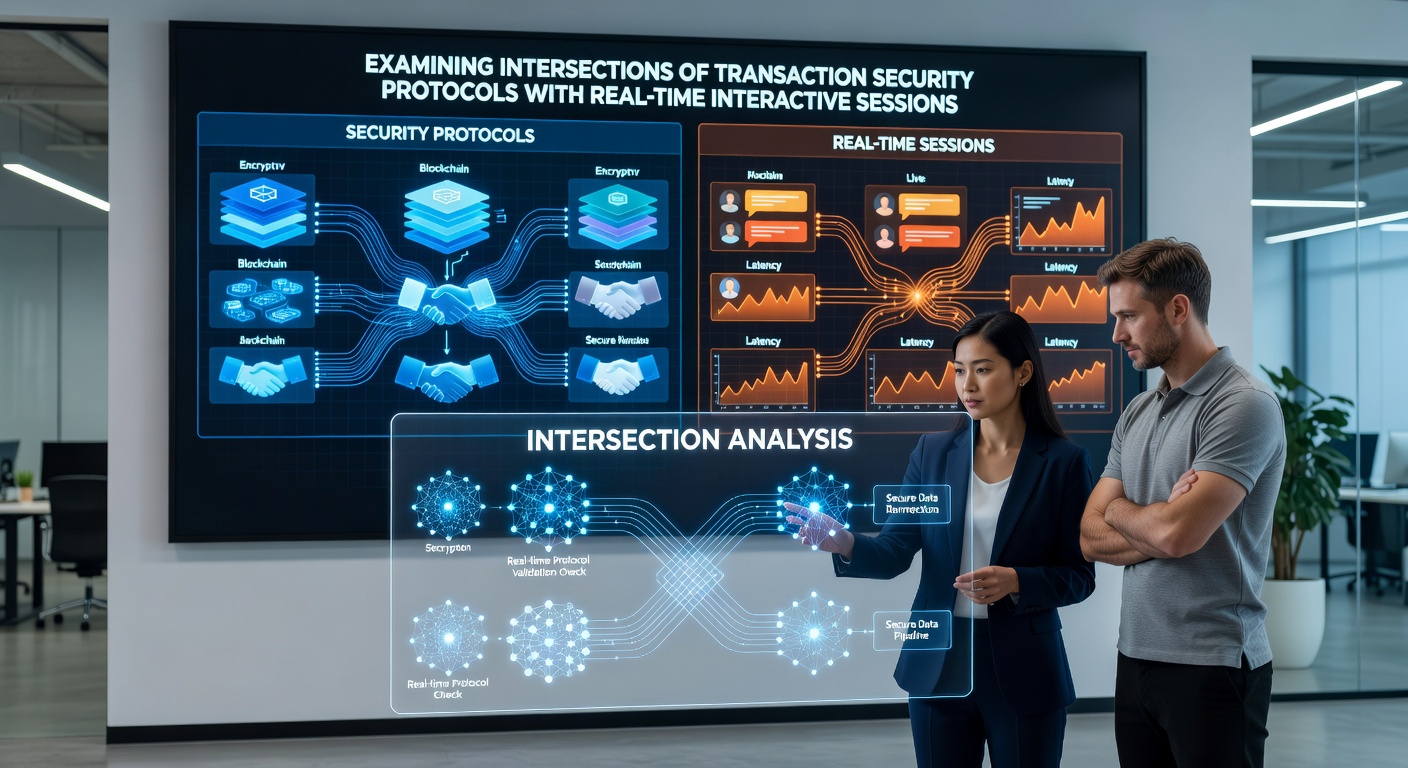
Interference between security layers and interactive elements surfaces most clearly during high-stakes moments, such as in-game events that trigger immediate payments or rewards, and platform operators respond by prioritizing certain traffic types through quality-of-service rules. Researchers discovered that packet inspection techniques now distinguish financial data from gameplay streams more effectively than in earlier generations, which reduces collision risks. But here's the thing: these distinctions require ongoing updates as game mechanics evolve and introduce new types of dynamic content that blend entertainment with commerce.
Emerging Practices Across Global Ecosystems
Developers in various regions have adopted hybrid models that merge established banking standards with gaming-specific APIs, and reports from the Canadian Gaming Association highlight how cross-border sessions benefit from unified compliance frameworks. These approaches allow a player in one location to interact seamlessly with others elsewhere while transaction records stay protected under local rules. What's interesting is the way portable hardware advancements, including secure enclaves in processors, support faster verification cycles that keep pace with real-time demands without compromising integrity checks.
Case examples show platforms testing AI-driven anomaly detection that monitors both gameplay patterns and transaction behaviors simultaneously, flagging potential issues before they escalate. According to findings presented in research papers from technical universities, such systems achieve higher accuracy when trained on datasets that include mobile-specific variables like touch inputs and sensor data. This integration points toward more resilient ecosystems where security operates as an invisible backbone rather than a separate process.
Looking Ahead in Portable Gaming Security
Future developments point toward greater standardization of security interfaces that game engines can call upon during live sessions, and industry groups continue to collaborate on open specifications that accommodate both established and emerging markets. Evidence suggests that by late 2026 these efforts may yield measurable improvements in session stability across diverse device fleets. Observers note that continued investment in edge computing resources will further reduce the distance between security validation points and end users, supporting uninterrupted interactive experiences even under peak loads.
Conclusion
The intersections between transaction security protocols and real-time interactive sessions define much of the current landscape in portable gaming ecosystems, where technical choices directly influence player retention and platform reliability. Data shows consistent progress through combined advances in encryption, hardware capabilities, and protocol design, while regulatory input from multiple regions guides responsible implementation. As these elements continue to align, portable gaming stands to deliver increasingly fluid experiences backed by robust protections that operate without drawing attention from the core activity on screen.