Deciphering Links Between User Navigation Flows and Settlement Verification Sequences in Borderless Digital Wagering Networks
Written by Blake Russell · Aug 30, 2026
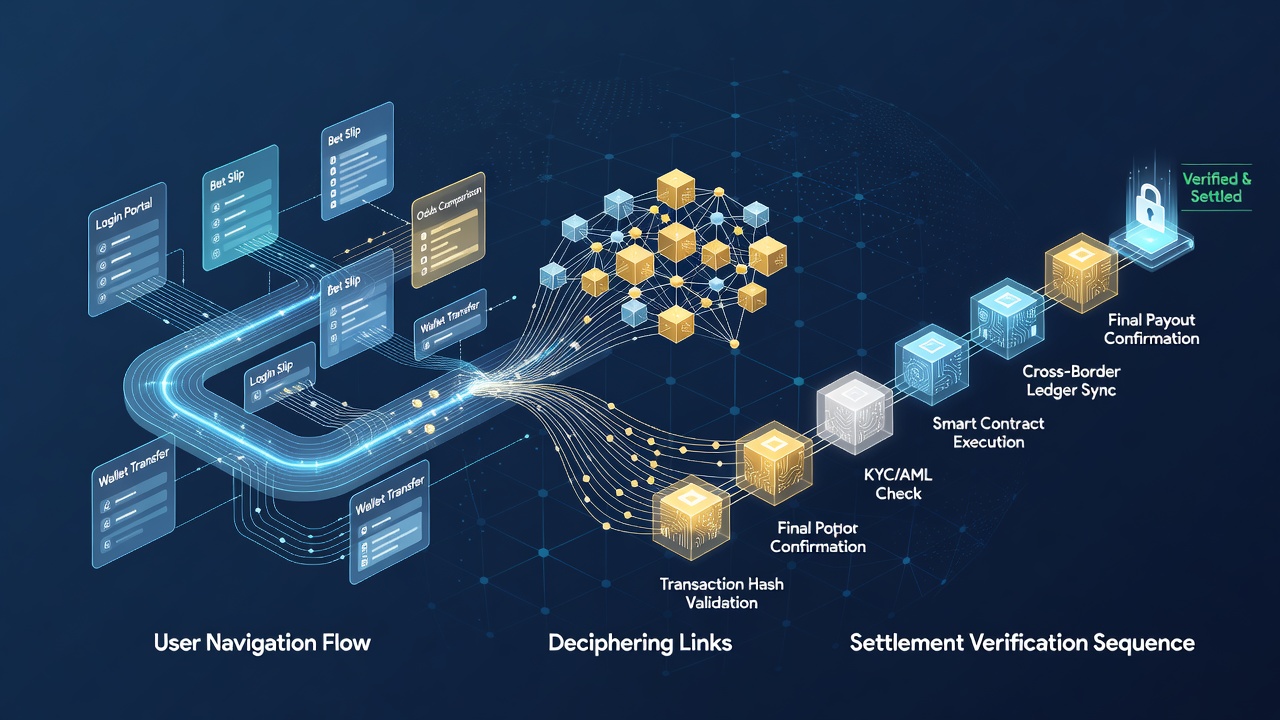
Deciphering Links Between User Navigation Flows and Settlement Verification Sequences in Borderless Digital Wagering Networks
Borderless digital wagering networks operate across multiple jurisdictions where user navigation flows intersect directly with settlement verification sequences, creating measurable patterns that operators track through data analytics platforms. These networks process transactions in real time while users move through registration pages, game selections, deposit interfaces, and withdrawal requests, and each step generates logs that connect navigation behavior to verification outcomes. Researchers at institutions focused on digital commerce have documented how specific click paths correlate with faster or slower settlement approvals in cross-border environments.
Mapping Navigation Sequences to Verification Triggers
Users typically enter these networks through mobile apps or web portals, and their initial navigation choices determine the sequence of identity checks and payment confirmations that follow. Data from platform operators shows that players who complete profile verification early in their session experience shorter settlement times for subsequent transactions, whereas those who delay document uploads encounter repeated verification loops during fund movements. Studies conducted in 2025 across European and North American markets indicated that navigation flows involving at least three distinct payment method selections before a deposit increased verification steps by an average of 40 percent.
Settlement verification sequences rely on automated systems that cross-reference user location data, device fingerprints, and transaction histories against regulatory requirements in each jurisdiction. When navigation paths include rapid switches between currency options or repeated attempts to access restricted regions, the systems flag these movements for additional manual review, extending the time between request and confirmation. Observers note that operators in August 2026 reported improved matching algorithms that reduced false positives in verification by analyzing historical navigation clusters rather than isolated actions.
Cross-Border Data Integration Challenges
Borderless networks must reconcile differing regulatory frameworks, and this requirement shapes how verification sequences respond to navigation signals. For example, platforms serving users in Canada and Australia integrate rules from the Alcohol and Gaming Commission of Ontario alongside guidelines from the Australian Communications and Media Authority, requiring navigation logs to include jurisdiction-specific timestamps and consent records. Analysts have found that users whose paths include clear acceptance of local terms before entering wagering sections trigger fewer verification interruptions during settlement.
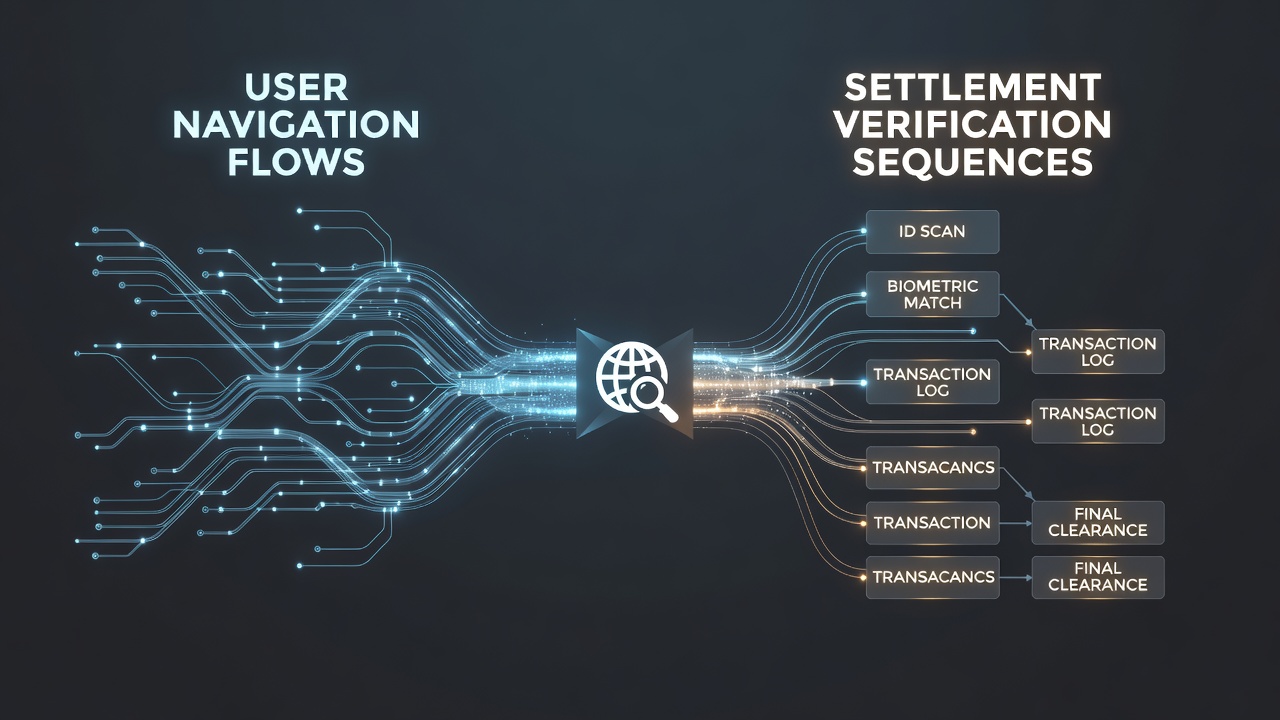
Payment processors within these networks apply layered checks that activate based on detected navigation patterns, such as repeated visits to bonus claim pages or abrupt changes in betting volume. When systems identify clusters of similar user paths leading to high-volume withdrawals, they initiate enhanced verification sequences that include source-of-funds documentation. Figures from industry reports released in mid-2026 reveal that networks employing predictive models based on navigation flow data achieved settlement completion rates above 92 percent within standard processing windows.
Technical Mechanisms Connecting Flows and Sequences
Platform architectures log user navigation as sequences of API calls and screen transitions, then feed these records into verification engines that apply risk scoring. Machine learning models trained on aggregated session data identify which navigation branches most reliably precede successful settlements, allowing operators to streamline verification for low-risk paths. Those who've examined these systems report that paths originating from affiliate referral links often require additional geographic confirmation steps compared with direct app downloads.
Real-time monitoring tools track how long users spend on each navigation node before initiating a settlement request, and extended dwell times on account settings correlate with higher rates of verification queries during fund transfers. Operators adjust their sequence logic accordingly, inserting optional identity refresh prompts at high-risk navigation points to preempt delays. Research published by academic groups studying digital transaction networks shows that such preemptive interventions reduced settlement rejection rates by measurable margins in multi-jurisdictional environments.
Future Developments in Pattern Recognition
Advances in graph-based analytics now allow operators to model entire navigation flows as interconnected nodes linked to verification outcomes, revealing previously hidden dependencies between early session choices and later settlement success. In August 2026 several major networks began piloting systems that dynamically reorder verification steps based on live navigation telemetry, shortening processing for users whose paths align with established low-risk clusters. These updates build on existing frameworks without altering core regulatory compliance requirements across participating regions.
Conclusion
The connections between user navigation flows and settlement verification sequences in borderless digital wagering networks rest on measurable data relationships that continue to evolve with improved analytics. Platform operators rely on these linkages to maintain compliance while processing transactions efficiently across jurisdictions, and ongoing refinements in pattern detection support more precise alignment between user movement and verification timing.