Charting loyalty framework progressions amid technological shifts in portable interactive wagering environments
Written by Blake Russell · Jul 13, 2026
Charting loyalty framework progressions amid technological shifts in portable interactive wagering environments
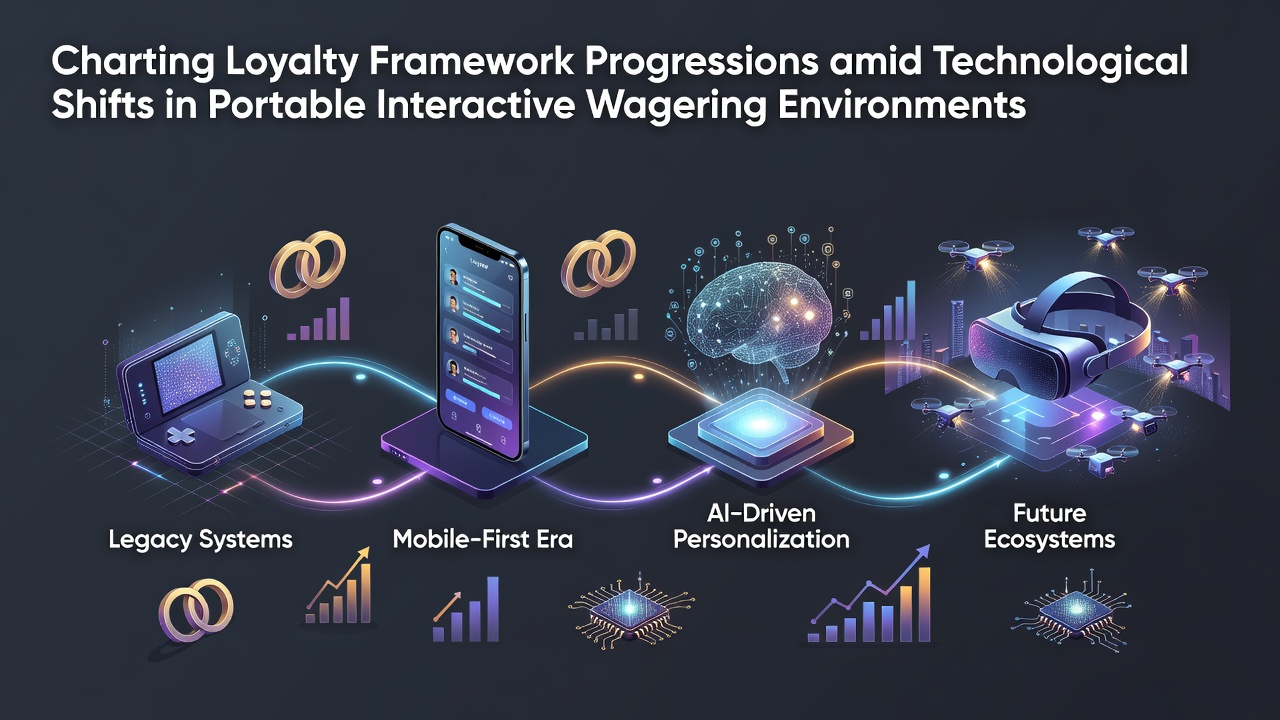
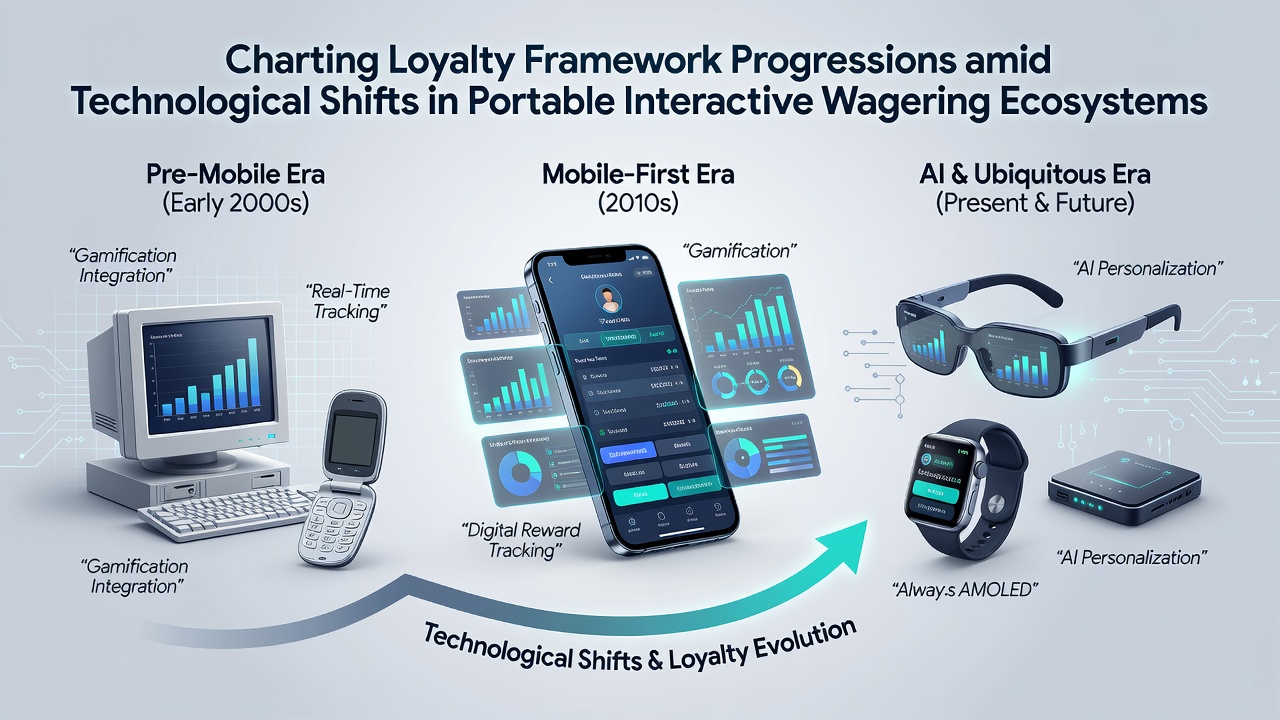
Portable interactive wagering environments have seen loyalty frameworks evolve from basic point accumulation systems into dynamic structures that respond to real-time user data and platform capabilities, and this progression tracks closely with advances in mobile technology and data processing methods. Observers note that early mobile loyalty programs relied on static reward tiers tied to deposit volumes or play frequency, whereas newer iterations incorporate machine learning models that adjust offers based on individual session patterns and device interactions.
Early developments in mobile loyalty structures
Initial loyalty frameworks in portable wagering platforms emerged alongside the expansion of smartphone applications in the early 2010s, when operators introduced simple membership levels that granted access to bonus credits after set numbers of wagers. Research from academic centers indicates these systems processed limited datasets, often restricted to transaction logs, and delivered rewards through periodic manual updates rather than instant notifications. Data shows that adoption rates increased as 4G networks enabled faster app responses, allowing users to track progress within sessions instead of waiting for daily summaries.
Integration of advanced analytics and personalization engines
Technological shifts introduced predictive analytics that transformed how loyalty progressions operate on wireless platforms, and operators began embedding algorithms capable of forecasting user retention risks from behavioral signals captured during live dealer sessions or slot sequences. According to findings shared by the University of Nevada Reno gaming technology group, these engines analyze variables such as session duration, wager size variations, and device location data to generate tailored progression milestones. Users receive notifications that update tier status in real time, which reduces the lag previously associated with batch processing of reward qualifications.
Role of cloud infrastructure and cross-platform synchronization
Cloud-based architectures now support loyalty frameworks that maintain continuity across multiple portable devices, and this capability allows progress metrics to remain consistent whether a participant switches from tablet to smartphone mid-session. Figures from industry reports reveal that synchronization latency dropped below two seconds in many systems by 2025, enabling seamless accumulation of loyalty points during extended interactive sequences. Platform providers integrate these systems with secure payment channels so that reward redemptions occur without disrupting ongoing game cycles.
Emergence of blockchain elements in reward tracking
Some operators have incorporated distributed ledger technology to record loyalty transactions on portable wagering environments, which creates immutable logs of point earnings and redemptions that users can verify independently. This approach addresses discrepancies that arose in earlier centralized databases during high-volume periods, and implementations reported in mid-2026 demonstrate reduced dispute rates for reward claims. The technology also supports fractional reward units that adjust dynamically with market conditions in real-time table game environments.
Impact of 5G and edge computing on engagement metrics
Deployment of 5G connectivity combined with edge processing has accelerated loyalty framework responsiveness in portable settings, and operators report that instant feedback loops increase participation frequency in reward challenges. Data collected through July 2026 indicates measurable lifts in daily active users on platforms that refresh progression visuals within milliseconds of wager completion. These enhancements allow frameworks to incorporate location-based triggers, such as proximity bonuses activated when users enter designated gaming zones via mobile applications.
Regulatory influences on framework design
Regulatory bodies across various jurisdictions have shaped loyalty progression rules by requiring transparency in how algorithms determine tier advancement, and compliance documentation now often includes audit trails generated automatically through platform software. The New Jersey Division of Gaming Enforcement publishes periodic summaries that track operator adherence to these standards in mobile channels. Such requirements encourage development of user-facing dashboards that display exact criteria for each progression level without hidden variables.
Future trajectories and ongoing adaptations
Continued integration of augmented reality interfaces and voice-activated controls will likely extend loyalty frameworks into new interaction modes within portable wagering environments, and testing phases already link virtual object collections to tier benefits. Observers track pilot programs that test these features against existing reward structures to measure retention effects. The progression remains tied to hardware improvements and data security protocols that maintain user trust across evolving device ecosystems.
Conclusion
Loyalty framework progressions in portable interactive wagering environments continue to align with successive waves of mobile technology adoption, and each phase builds measurable efficiencies in reward delivery and user tracking. The documented shifts from static tiers to adaptive, data-driven systems reflect broader industry responses to connectivity and processing advancements through July 2026 and beyond.