Charting Incentive Structures in Multi-Device Gaming Ecosystems and Their Effect on Table Game Participation
Written by Lars Hartmann · Jul 15, 2026
Charting Incentive Structures in Multi-Device Gaming Ecosystems and Their Effect on Table Game Participation
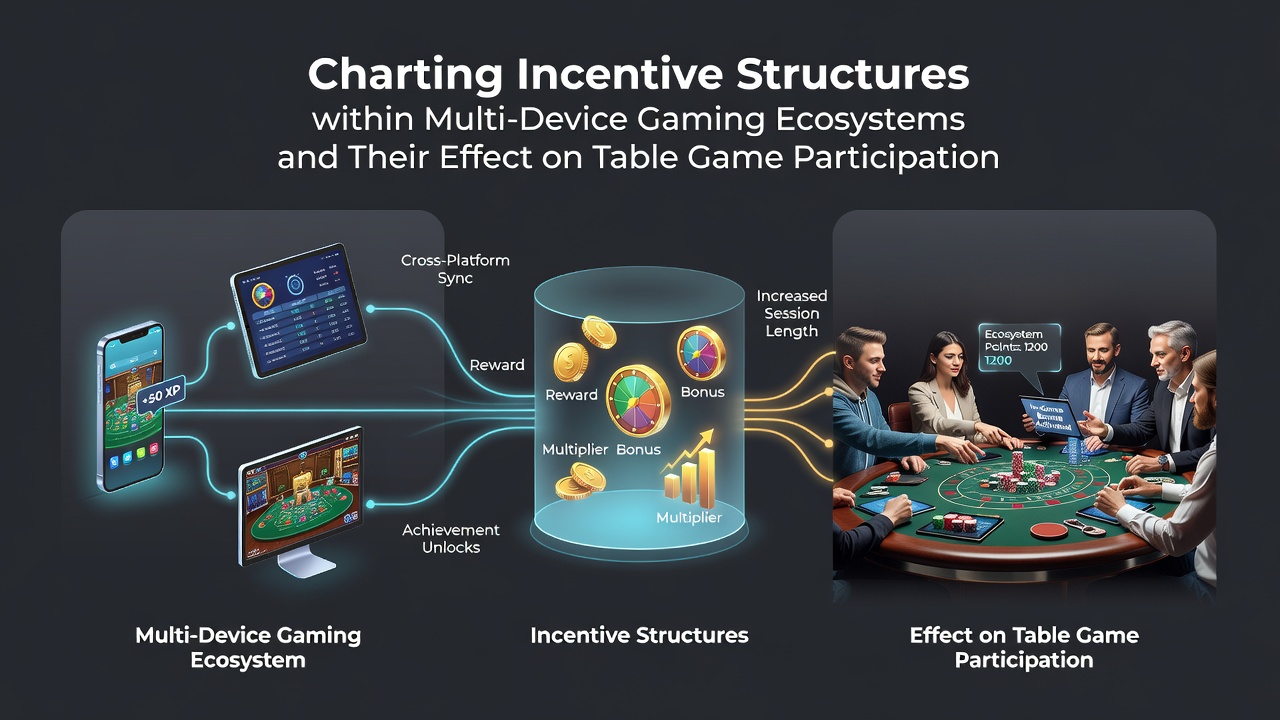
Multi-device gaming ecosystems connect mobile applications, desktop platforms, and tablet interfaces through shared player accounts that track activity across all touchpoints, and incentive structures within these systems allocate rewards based on total engagement volume rather than single-device sessions. Operators design loyalty tiers, deposit matches, and free play credits that activate regardless of whether users switch from a phone during commute hours to a desktop at home, while data aggregation tools monitor participation shifts between slot machines and table games like blackjack or roulette. Researchers tracking these patterns note that seamless synchronization often directs more traffic toward automated games because algorithms prioritize quick spin cycles over the longer decision times required at virtual tables.
Core Components of Cross-Platform Incentive Design
Systems reward cumulative playtime and deposit frequency through point multipliers that apply equally on every device, yet certain promotions activate only after users complete a set number of table game rounds, which creates measurable differences in how players allocate their sessions. Industry reports indicate that mobile interfaces frequently receive targeted free spin offers optimized for portrait mode, whereas desktop versions emphasize table game cashback percentages tied to live dealer interaction length. Those who study participation logs observe that players maintaining accounts across three or more devices show higher overall loyalty point accumulation, but the proportion directed toward table games fluctuates according to whether operators attach device-specific multipliers to real-time dealer sessions.
Participation Shifts Documented in Recent Metrics
Figures compiled through July 2026 reveal that integrated ecosystems recorded a 12 percent rise in total active accounts compared with the prior year, driven largely by cross-device login streaks that unlock escalating bonus tiers. Table game participation within these same accounts increased by roughly 7 percent when operators introduced synchronized comps that carried over from mobile warm-up rounds into desktop live sessions, whereas accounts limited to single-device access showed flatter growth curves. Regulatory filings from the Alcohol and Gaming Commission of Ontario document similar trends in jurisdictions where operators must report device-level play distribution, highlighting that incentives tied to total handle rather than game category tend to sustain steadier table engagement over time.
Device-Specific Mechanics and Reward Allocation
Mobile applications often surface time-limited challenges that steer users toward quick-decision games, while desktop dashboards present detailed statistics on table game variance and session length bonuses, and the contrast influences how players progress through loyalty levels. Observers tracking these interfaces report that push notifications on phones frequently highlight slot tournaments with immediate prize pools, whereas tablet and desktop portals surface table game leaderboards that accumulate points toward tier advancement. Data from the American Gaming Association shows that operators adjusting these notification patterns witnessed a measurable uptick in live dealer table entries among multi-device users who previously concentrated activity on mobile slots alone.
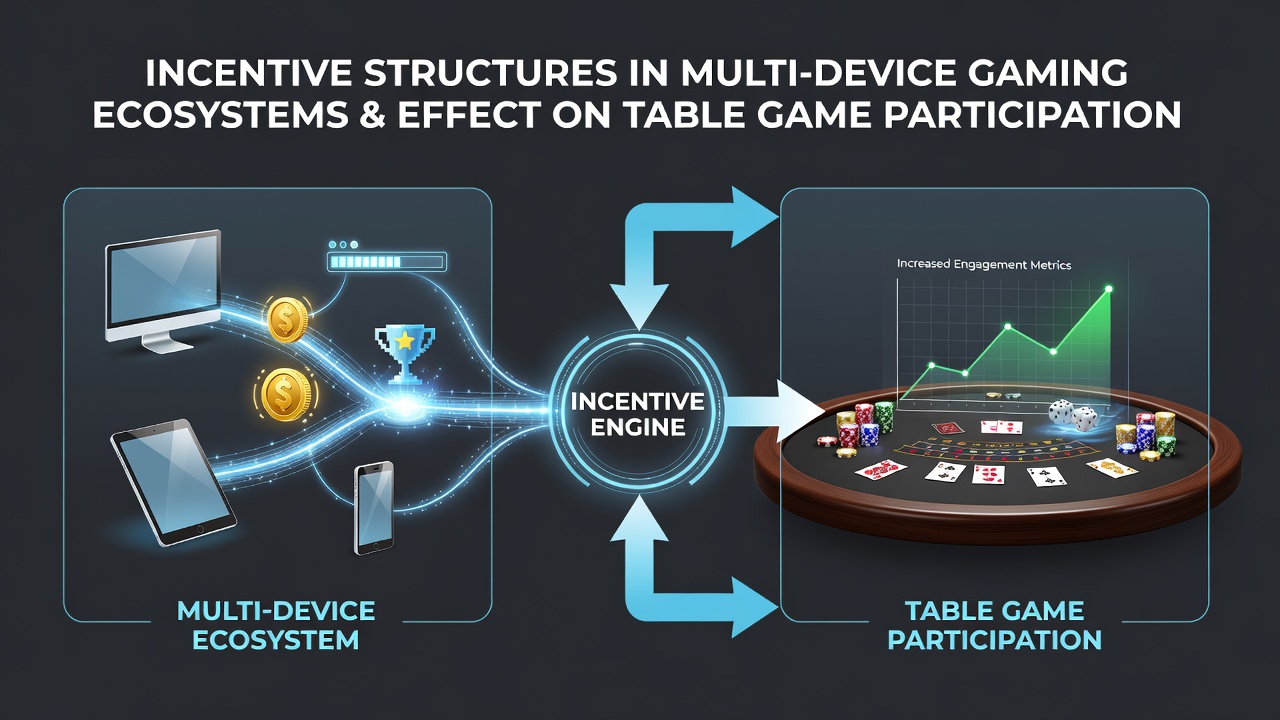
Payment processing integration further shapes outcomes because deposit bonuses credited instantly on mobile sometimes carry wagering requirements that players fulfill faster on automated reels than on table games with slower hand cycles. Yet ecosystems that permit partial requirement completion across devices enable users to finish table game obligations on desktop after starting on phone, and participation data collected through mid-2026 indicates this flexibility correlates with elevated table game handle among loyalty members. Studies compiled by academic researchers at institutions monitoring digital wagering patterns confirm that friction introduced by device-locked bonuses reduces table game trial rates, whereas unified tracking systems that recognize activity from any endpoint sustain broader game category distribution.
Regional Variations in Implementation
Jurisdictions in North America and parts of Europe apply different caps on bonus values and wagering multipliers, which in turn affects how operators structure device-agnostic rewards. Canadian provincial frameworks require transparent reporting of incentive distribution across game types, leading some platforms to weight table game contributions more heavily when calculating tier status. In contrast, certain U.S. state markets permit greater emphasis on slot-driven promotions, resulting in lower proportional table participation within multi-device cohorts. Analysts comparing these approaches find that ecosystems enforcing uniform reward formulas regardless of game category maintain more balanced participation curves across devices.
Conclusion
Comprehensive mapping of incentive structures shows that unified account tracking across devices influences table game participation through the design of carry-over rewards, notification strategies, and wagering requirement flexibility. Metrics gathered through July 2026 demonstrate measurable differences when operators prioritize total engagement volume over game-specific targets, while regional regulatory requirements continue to shape how those incentives distribute across mobile, tablet, and desktop environments. Continued monitoring of device-level data will clarify whether adjustments in reward allocation produce sustained shifts in table game engagement within these interconnected ecosystems.